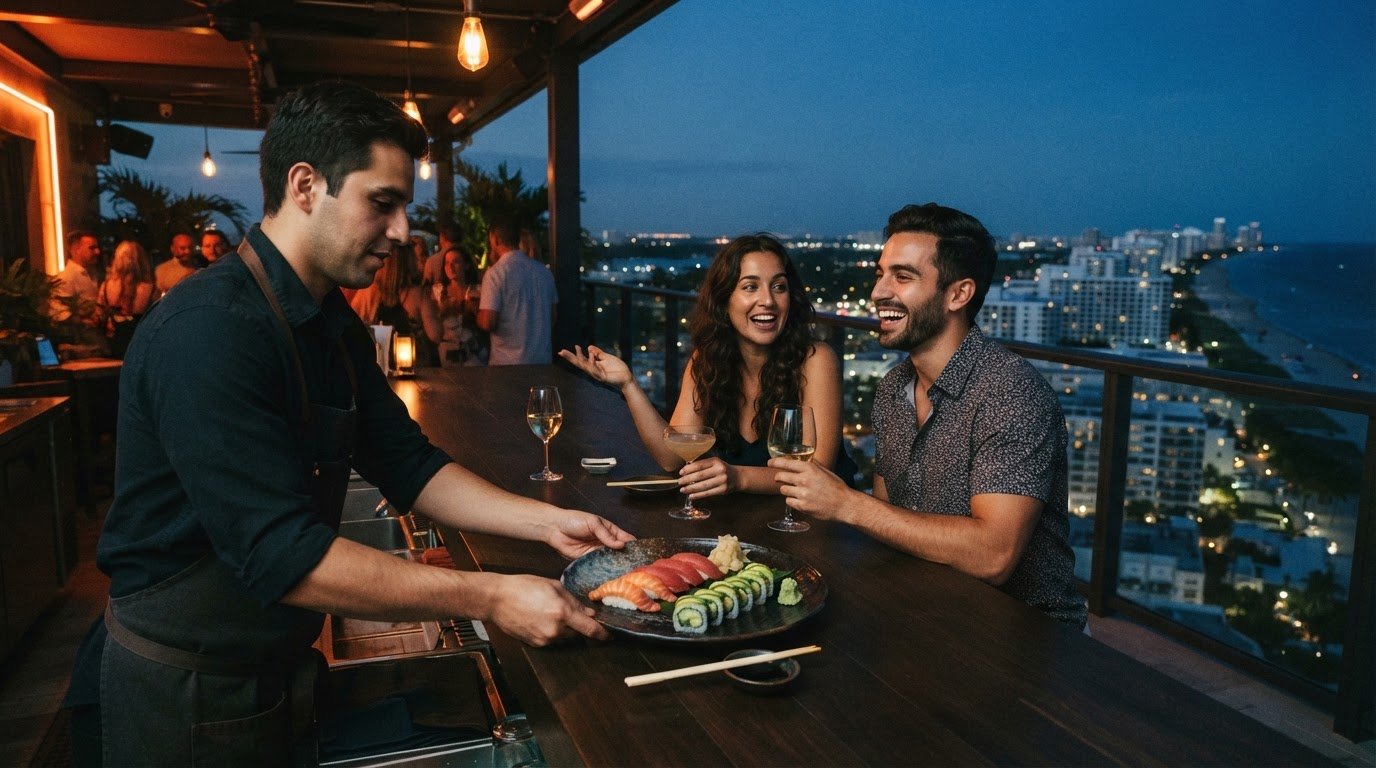
The lower-looking menu doesn’t always mean the lower-cost sushi outing. For sushi, comparing Yum Berry Cafe & Sushi Bar with G7 Rooftop means considering what shapes each person’s total: the sushi they choose and whether they add other dishes or drinks. The best comparison starts with the meal you actually want, not a single headline figure.
It’s natural to focus on per-person prices when choosing between two restaurants, but the menu matters just as much. This guide compares the price considerations and food offerings at both spots, so you can see how a sushi-focused meal differs from an outing that includes more of the menu. Yum Berry Cafe & Sushi Bar is located in Oakwood Plaza in Hollywood, Florida; the comparison also considers the kind of dining experience each restaurant presents. Read on for a clear look at sushi and other menu choices, and the factors that can shape your meal total.
Key Takeaways
- Compare the meal you plan to order, not just sushi prices, to understand what may shape the per-person total.
- Look at sushi alongside other menu options to see which restaurant better matches the meal you have in mind.
- Use the setting and menu style as part of your choice, especially when planning a date night or group outing.
- For a rooftop dining experience with kosher Japanese-fusion cuisine, G7 Rooftop may suit the occasion.
- Explore the comparison to identify which details matter most for your budget and dining plans.
Per-person price range
A fair comparison starts with the same meal scenario at both restaurants. Menu totals depend on what you order, so there is no single per-person figure that describes every visit. Compare a sushi-led order with a similar sushi-led order, then consider any additional dishes or drinks. This gives you a practical basis for planning without treating different meals as equivalent.
Yum Berry Cafe & Sushi Bar is in Oakwood Plaza in Hollywood, Florida. For a fair comparison, use the menu choices each diner actually expects to make. A guest ordering sushi alone has a different subtotal from someone adding several shared plates. The location identifies the restaurant, but the order defines the individual spend.
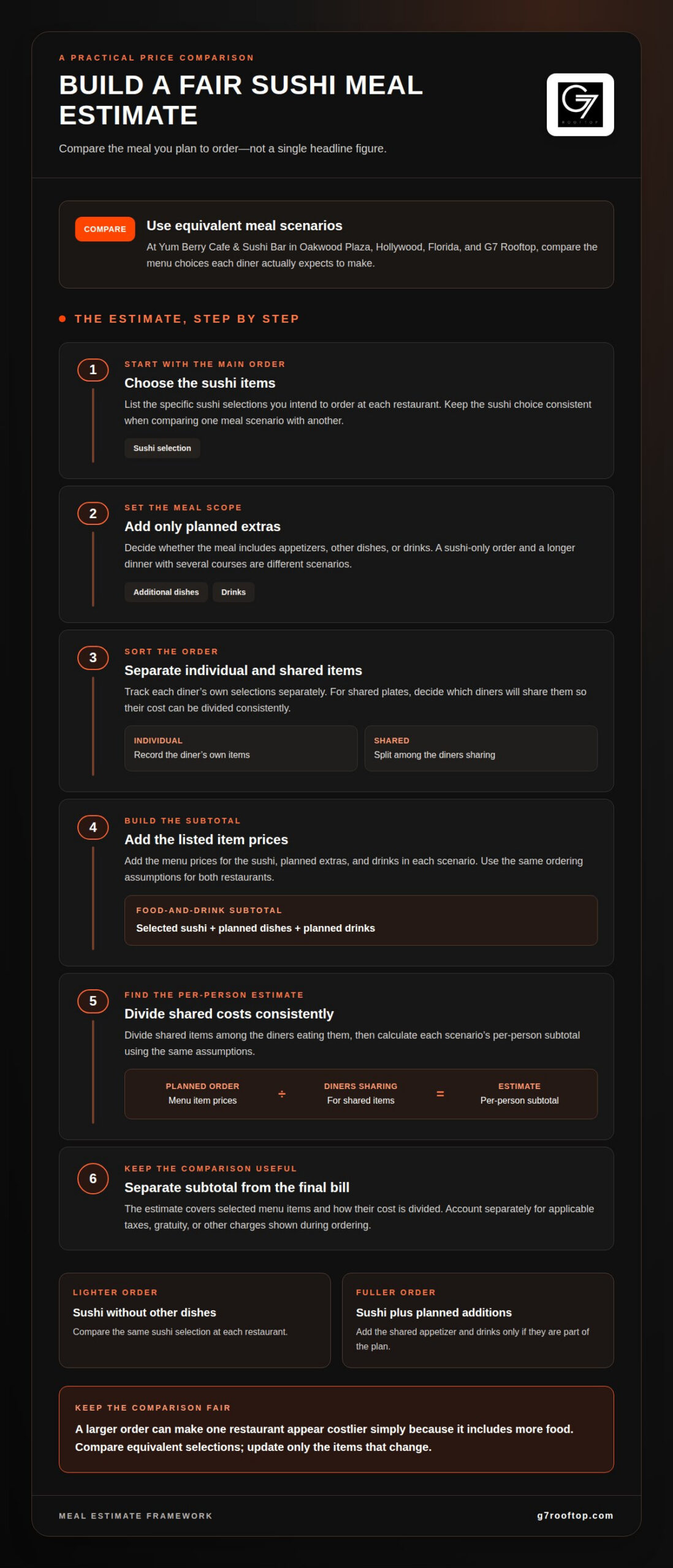
Build your estimate from the items you plan to order, not from a restaurant’s name or atmosphere. List the sushi, additional food, and drinks for your intended meal. Add the listed item prices to get a subtotal, then divide by the number of diners sharing the order. This gives a per-person food-and-drink estimate, not a restaurant-wide average.
- Sushi selection: Compare the specific sushi items each person intends to order.
- Additional dishes: Include appetizers or other menu choices only when they’re part of the plan.
- Drinks: Keep beverage choices consistent between the two meal scenarios.
- Shared plates: Divide shared items across the diners who will eat them.
For example, imagine one diner choosing sushi without other dishes. Compare that order with the same sushi selection at the other restaurant. Then create a separate scenario that adds a shared appetizer and drinks. The difference between those totals shows how optional additions affect the individual share. It doesn’t imply that either restaurant is inherently more expensive.
Portion expectations also matter. A guest who wants a light sushi meal may choose differently from someone planning a longer dinner with several courses. Keep the intended meal consistent when comparing Yum Berry Cafe & Sushi Bar with a rooftop dining experience. Otherwise, a larger order can make one restaurant appear costlier even when the comparison simply includes more food.
Use this practical sequence to prepare a useful estimate:
- Choose the sushi items that represent the meal you want.
- Decide whether the plan includes other dishes or drinks.
- Separate individual orders from items shared across the table.
- Calculate each scenario’s per-person subtotal using the same assumptions.
This method also makes changes easier to track. If a diner removes a shared dish, update that item rather than rebuilding the whole comparison. If someone adds a drink, include it in that person’s scenario or divide it among the guests sharing it. The estimate then reflects the planned order, not a broad claim about either restaurant.
Keep the food subtotal separate from the final bill. A per-person food estimate covers the selected menu items and how their cost is divided among diners. The amount paid may also include applicable taxes, gratuity, or other charges shown during the ordering process. Account for those separately, and don’t assume the food subtotal is the complete check.
For a group, agree on how you will order before estimating individual shares. Separate checks make each diner’s selections straightforward to track. With a shared order, decide how to divide common items. In either case, consistent assumptions make the comparison fairer, especially when guests choose different combinations of sushi, other dishes, and drinks.
The most useful result is a personal range built from a lighter order and a fuller one. Keep Yum Berry Cafe & Sushi Bar’s Oakwood Plaza location in view when planning the outing, then compare equivalent selections at the alternative restaurant. This method gives you a practical budget framework while leaving room for each diner’s preferences.
Sushi and other menu offerings
A menu comparison is strongest when it distinguishes sushi from the rest of the meal. For Yum Berry Cafe & Sushi Bar, start by identifying the sushi choices you’re considering, then note any other dishes you’d order. Compare those selections with the rooftop restaurant’s Japanese-fusion menu, which includes sushi and Asian-inspired dishes. This keeps the comparison focused on what each guest can actually enjoy.
Look at the meal’s structure, not just the word “sushi.” A sushi-centered visit may suit someone who wants the main event to be rolls or other sushi selections. Another diner might prefer sushi alongside additional dishes. The rooftop menu offers both sushi and broader Asian-inspired cuisine, so consider whether variety beyond sushi matters to your plans.
Use these menu questions to make the comparison practical:
- Sushi focus: Which choices would form the main part of your meal?
- Menu breadth: Would you like other Asian-inspired dishes alongside sushi?
- Dining preferences: Does a 100% kosher menu matter for your restaurant choice?
- Meal style: Are you planning an individual order or a table sharing several dishes?
The kosher distinction is especially relevant for diners whose food choices require it. The rooftop restaurant serves a 100% kosher menu featuring Japanese-fusion cuisine and sushi. That makes the menu’s kosher status a clear point of comparison, alongside the type of food and the setting. Keep dietary requirements separate from taste preferences when deciding which restaurant fits.
For example, a guest seeking sushi as the central feature can compare the sushi selections first, then consider whether additional dishes would make the meal more appealing. A group with varied preferences can also weigh sushi against the wider Asian-inspired options. These are different decision paths: one prioritizes sushi itself, while the other values a broader menu.
To compare the menus without assuming they are identical, make a short list for each restaurant. Note the sushi items that appeal to you, the additional dishes you might order, and any dietary requirements. Then see which menu fits your priorities. This simple step helps distinguish a sushi-first choice from a meal centered on Japanese-fusion flavors.
Yum Berry Cafe & Sushi Bar and the rooftop option can therefore be assessed through three useful lenses: sushi selection, other cuisine choices, and dietary fit. Avoid treating a broad menu description as proof that two restaurants offer the same dishes. Instead, focus on the categories that matter to your outing, such as sushi alone, sushi with additional dishes, or kosher Japanese-fusion dining.
A useful final step is to match your group’s preferences to the menu style. If everyone wants sushi, make that the leading comparison. If guests want different kinds of dishes, give menu breadth more weight. If kosher dining is essential, the 100% kosher menu is a defining consideration. Each priority points to a different kind of fit, without requiring a one-size-fits-all verdict.
For a closer look at a sushi-focused rooftop dining experience, explore the dining and menu details as you decide which menu suits your occasion.
Which restaurant is better for sushi value, date night, or group dining?
The better choice depends on what matters for your outing. To assess sushi value, compare the dishes you plan to order and the complete meal, not the atmosphere alone. For a date night, consider whether the setting suits the mood you want. For a group, weigh menu fit and how easily everyone can find an appealing option. Different priorities can lead to different choices.
Start with value by comparing equivalent orders at Yum Berry Cafe & Sushi Bar and the rooftop restaurant. Choose sushi selections that match your appetite, then include any other dishes or drinks you expect to order. This avoids comparing a sushi-only meal at one restaurant with a larger dinner at another. The resulting comparison reflects your plans instead of an assumed average.
Value depends on each diner’s priorities. Someone focused on sushi may rank the sushi selection first. Another person may value a menu that pairs sushi with other cuisine. A diner seeking kosher food may put that requirement ahead of the setting. Decide what matters most before choosing which meal offers better value for you.
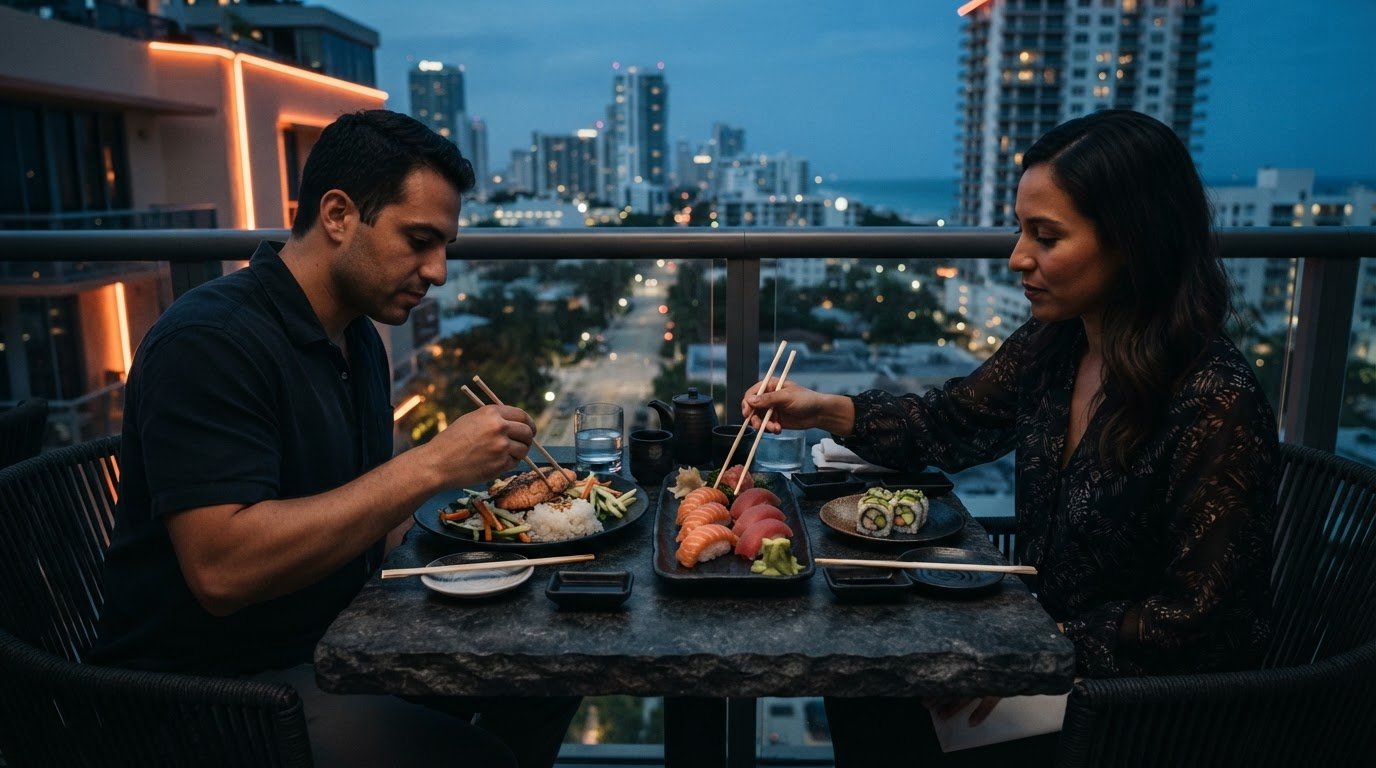
For a date night, consider the experience you want to create together. A relaxed meal focused on conversation may call for different surroundings than an evening built around rooftop views and a lively atmosphere. The Hollywood rooftop setting offers a distinct backdrop for guests who want dining to feel like part of a broader night out. Yum Berry Cafe & Sushi Bar is in Oakwood Plaza, Hollywood, Florida, a useful location detail when planning where to meet.
Make the date-night decision with three practical steps:
- Choose the mood: Decide whether conversation, rooftop ambience, or a sushi-centered meal leads.
- Align the menu: Pick food preferences both diners will enjoy.
- Plan the evening: Consider the restaurant’s location and how it fits your plans.
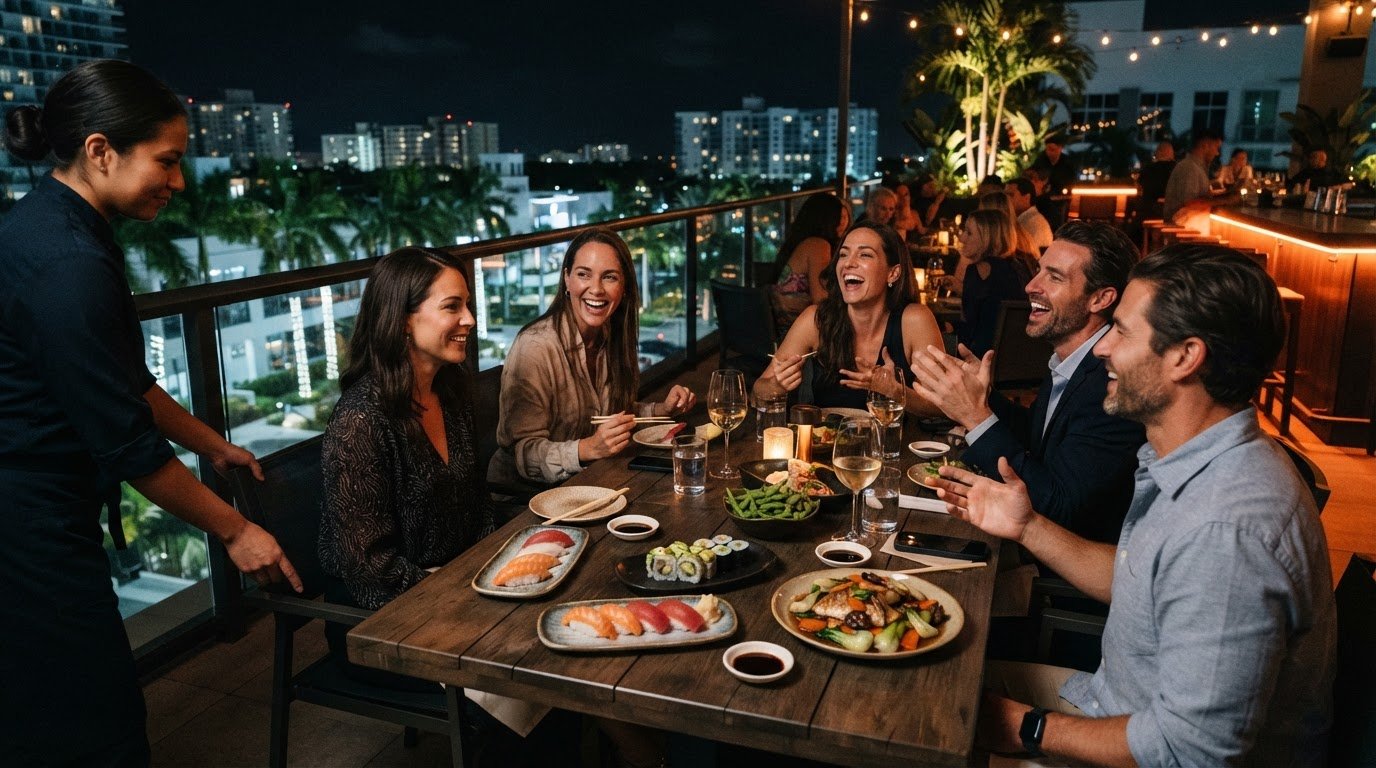
For group dining, shared preferences matter as much as individual favorites. A party whose guests all want sushi can compare that category directly. A group with varied tastes should consider whether additional menu choices suit everyone. Kosher dining needs can also shape the decision. The rooftop restaurant’s 100% kosher Japanese-fusion menu makes that consideration especially clear for guests seeking kosher sushi.
Before choosing for a group, ask each guest to name one priority: sushi, broader menu choice, kosher dining, or atmosphere. Then compare the restaurants against those priorities. For example, if one guest needs kosher food and another wants a rooftop setting, those preferences may point toward the Hollywood rooftop option. If the group’s main goal is a specific sushi order, focus the comparison on that order instead.
Shared ordering can affect how a group assesses value. Decide whether guests will order individually or share dishes before comparing. Individual orders make personal preferences easier to accommodate. Shared plates can suit guests who enjoy tasting several options together. Either approach works best when everyone understands how the meal will be organized.
Use this guide to make a choice, not to declare one restaurant universally superior. For sushi value, compare similar orders. For date night, prioritize the atmosphere and meal style you both want. For group dining, rank dietary needs, menu variety, and ordering preferences. The strongest choice is the one that fits the occasion.
G7 Rooftop: rooftop restaurant miami
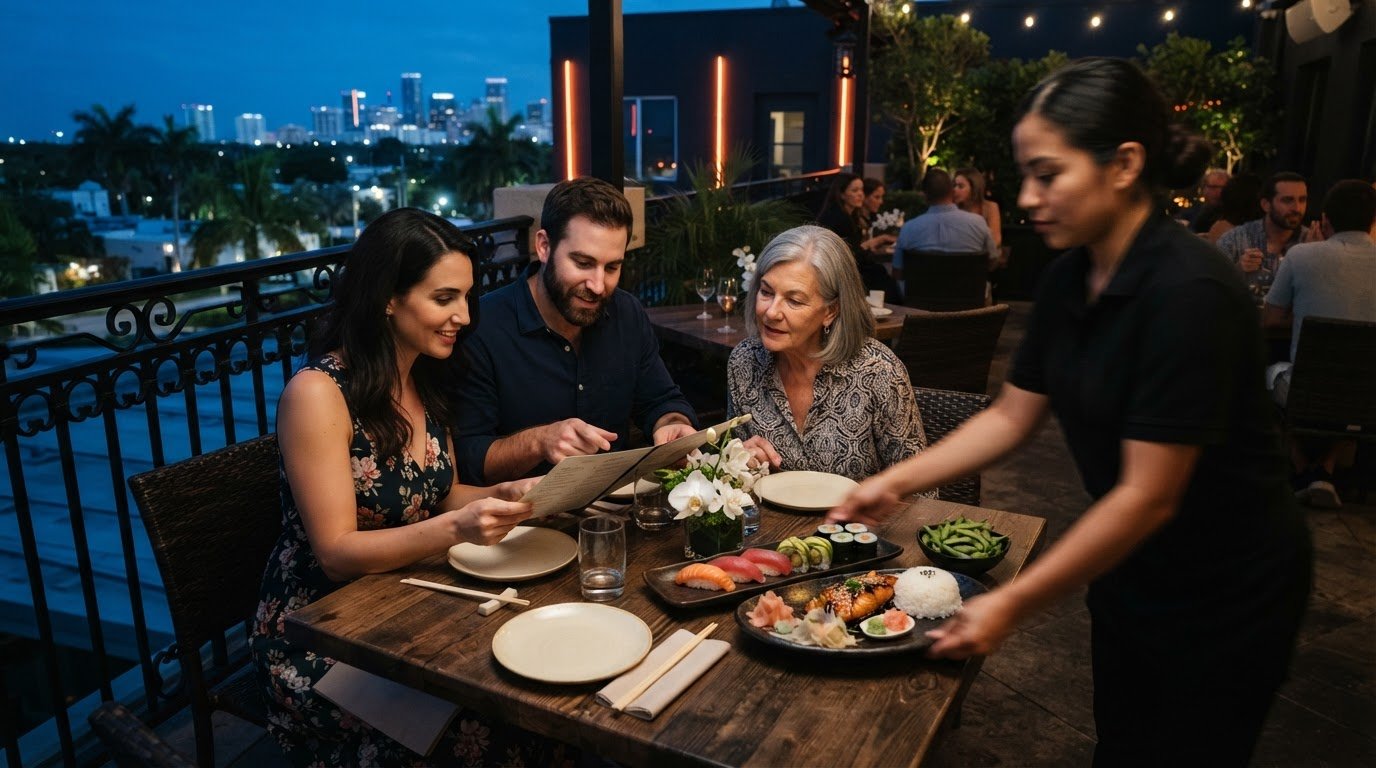
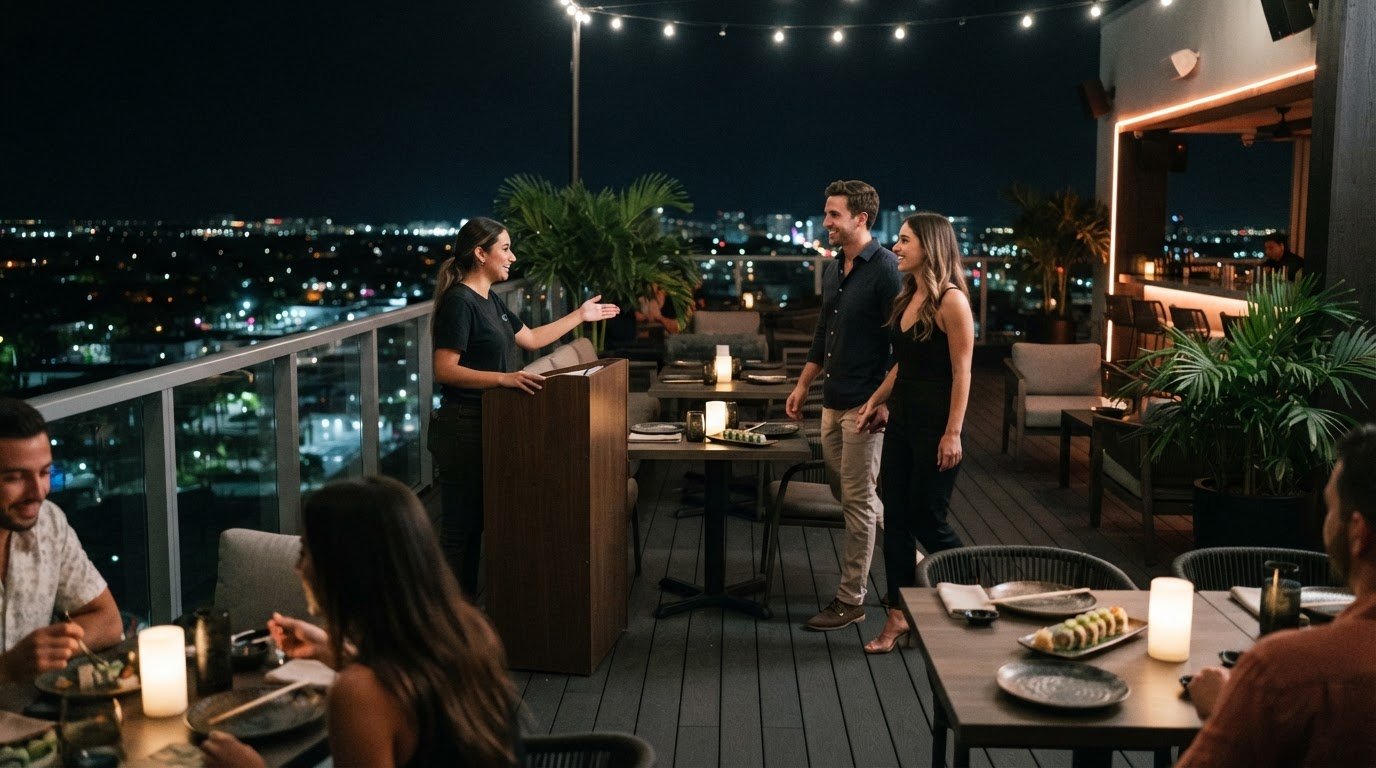
G7 Rooftop is a Hollywood, Florida rooftop restaurant serving the greater Miami area. Choose it when sushi is part of a broader evening shaped by rooftop dining, Japanese-fusion cuisine, and a lively atmosphere. Its menu features kosher sushi and Asian-inspired dishes, making it a fitting option for diners seeking a kosher restaurant with an elevated setting. The rooftop bar adds another dimension for guests planning a social night out, rather than a meal focused solely on sushi. For a comparison centered on menu style and atmosphere, those details help clarify whether the experience suits your occasion. If G7 Rooftop fits your plans, contact G7 Rooftop to learn more.
Choose the setting for your next sushi outing
Let the occasion shape your final choice. A meal can be more than a menu decision: it can set the tone for an intimate evening, a lively gathering, or a spontaneous night out. Choosing between Yum Berry Cafe & Sushi Bar and G7 Rooftop for sushi comes down to which experience feels right for the people joining you and the atmosphere you want around the table.
For Miami diners drawn to an elevated setting, G7 Rooftop offers a rooftop restaurant experience and a rooftop bar, adding a social dimension to dinner. It’s one option to consider among Miami rooftop restaurants when you want the evening’s surroundings to be part of the occasion. Let your plans lead: keep the gathering relaxed, make it celebratory, or simply enjoy a change of scene.
Ready to explore whether G7 Rooftop suits your next outing? Contact G7 Rooftop about dining, and start planning an evening that feels distinctly yours.
Frequently Asked Questions
Where are Yum Berry Cafe & Sushi Bar and G7 Rooftop located?
Yum Berry Cafe & Sushi Bar is in Oakwood Plaza in Hollywood, Florida. G7 Rooftop is at 5510 S State Rd 7 Rooftop, Hollywood, FL 33314, atop the Dolce by Wyndham Hotel. Both are in Hollywood, a useful point when coordinating a South Florida meetup. Use each venue’s specific location in your plans rather than treating “Miami” as the exact address.
What are the current sushi prices at each restaurant?
Reliable current dollar figures for both restaurants are not available here, so avoid relying on invented prices. Your per-person total depends on the sushi you select and whether you add other dishes or beverages. To compare meaningfully, match similar orders and separate individual choices from shared plates. That way, you can assess the meal you’re planning rather than use a broad estimate that may not fit your order.
Which restaurant has better sushi variety, including nigiri, sashimi, and specialty rolls?
The available details don’t support ranking their nigiri, sashimi, or specialty rolls item by item. G7 Rooftop’s menu includes sushi alongside raw bar, tapas, signature dishes, sea, land, desserts, and beverages. For a precise variety comparison, look at the named sushi selections at each restaurant and compare the types that matter to your meal, rather than assuming both menus use the same categories.
What are the atmosphere and rooftop views like at G7 Rooftop compared with Yum Berry Cafe & Sushi Bar?
G7 Rooftop pairs rooftop dining with panoramic city-skyline views and a vibrant bar atmosphere. Yum Berry Cafe & Sushi Bar’s location in Oakwood Plaza provides a Hollywood dining setting, but an address alone doesn’t establish comparable rooftop views. Choose G7 when the elevated setting and skyline are part of the occasion; prioritize the meal itself if the view isn’t central to your plans.
What dietary options are available, such as vegetarian, gluten-free, or cooked sushi?
G7 Rooftop serves a 100% kosher menu under the supervision of the Orthodox Rabbinical Board (ORB). Kosher status doesn’t by itself describe whether a specific dish is vegetarian, gluten-free, or cooked. Those distinctions depend on ingredients and preparation. For either restaurant, compare the individual dishes with your dietary needs instead of assuming a broad menu label answers every ingredient or preparation question.