A memorable kosher dining reservation starts with thoughtful planning. If you’re searching for kosher fine dining in Bal Harbour, first settle on your preferred date, party size, and occasion. Then consider the setting and timing that suit your plans. Clear priorities make it easier to choose an evening that feels right, whether you’re dining as a couple or celebrating with a group.
You’re looking for more than a table: the setting, menu, and drinks all contribute to the experience. This guide explains how to approach reservations and group bookings, which details help set expectations, and what to consider when cocktails and wine are part of the evening. It also explores how a refined Japanese-fusion rooftop experience in the greater Miami area can turn dinner into a more memorable occasion. A little preparation goes a long way. The result is a gathering with room for conversation, thoughtful dining, and a celebratory finish.
Key Takeaways
- Before booking, understand which kosher supervision details, meat or dairy status, and holiday considerations matter for your dining plans.
- For a smoother reservation, have your preferred date, party size, and occasion details ready when arranging a table or group booking.
- Consider how the setting and menu shape the evening, from a relaxed meal to a more celebratory dining experience.
- Japanese-fusion cuisine can bring kosher dining a distinctive blend of sushi and Asian-inspired dishes.
- Explore the cocktail and wine offerings as part of planning the full experience, especially for a group gathering.
What should diners verify about kosher supervision, meat and dairy status, and holiday certification?
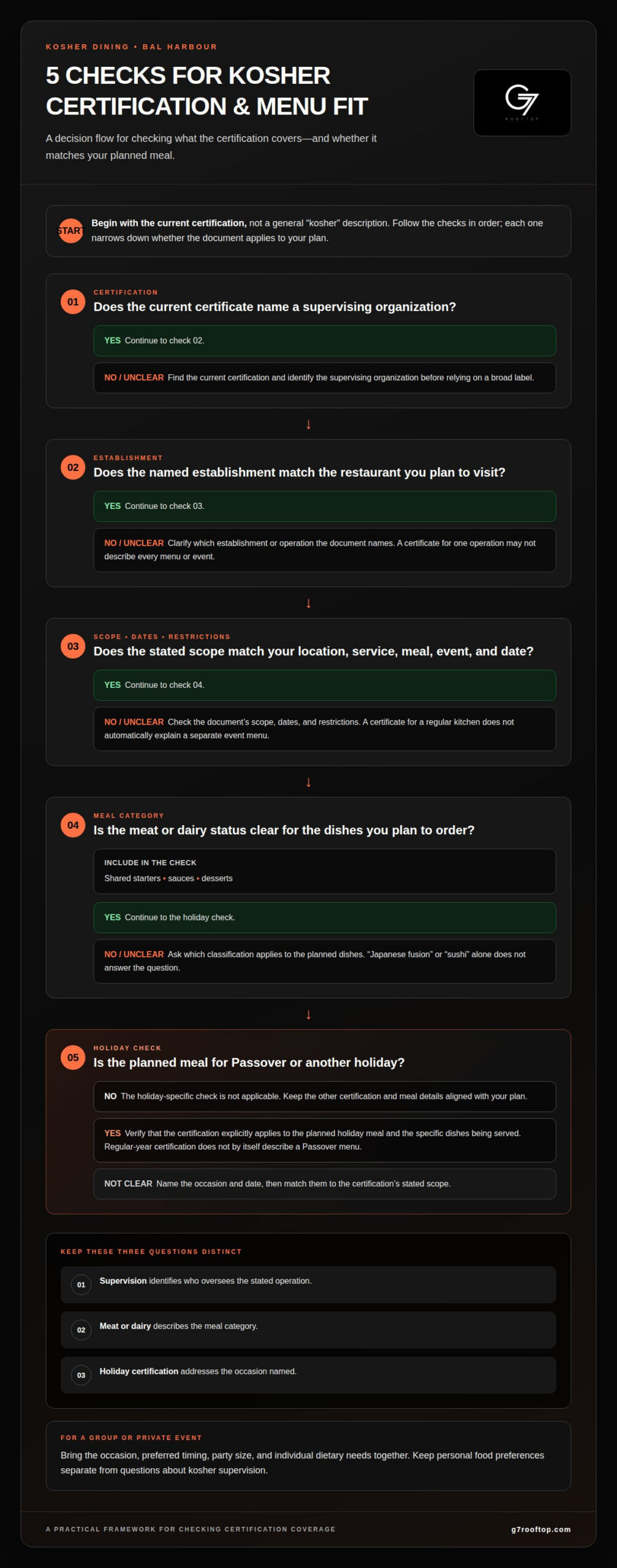
For kosher fine dining in Bal Harbour, begin with the certification itself, not a general description of the menu. Identify the supervising organization and the establishment or menu covered by its certification. Then check whether the document applies to the location and the dining service you plan to use. A certificate for one operation may not describe every menu, event, or seasonal offering.
Use a clear sequence when reviewing the information:
- Find the supervising organization’s name on the current certification.
- Match the named establishment to the restaurant you plan to visit.
- Review the document’s scope, dates, and any stated restrictions.
- Compare that scope with the meal, event, and date you have in mind.
Those details give you a more useful picture than a broad “kosher” label. If a document describes only a particular menu or operation, treat that scope precisely. For example, a certificate naming a restaurant’s regular kitchen doesn’t automatically explain a separate event menu. The relevant question is what the document covers, not what a different venue’s certificate might cover.
Next, establish whether the planned meal is meat or dairy. Ask which classification applies to the dishes you intend to order, including shared starters, sauces, and desserts. A menu description such as “Japanese fusion” or “sushi” doesn’t answer that question by itself. A fish-based dish, for example, still needs to be understood within the restaurant’s stated kosher practices and supervision.
For a group, gather individual dietary needs and food preferences before choosing dishes. Keep personal preferences distinct from questions about kosher supervision: the restaurant’s food preparation, ingredients, and kitchen operations are supervised by the ORB. Sharing clear information with the group organizer helps everyone choose with confidence, without relying on a dish’s name alone.
Holiday dining deserves its own check. Passover is a distinct occasion, so don’t assume that regular-year certification describes a holiday menu. Establish whether the certification explicitly applies to the planned Passover meal, and whether it covers the specific dishes being served. The same approach works for any holiday: name the occasion and date, then match them to the certification’s stated scope.
Before arranging a reservation or private event, gather the occasion, preferred timing, party size, and any individual dietary needs. One organizer can bring those details together and describe the kind of evening the group wants. If guests have different preferences, note them separately rather than assuming one menu choice will suit everyone.
Keep the distinction clear: supervision identifies who oversees the stated operation; meat or dairy status describes the meal category; holiday certification addresses the occasion named. Reviewing all three gives diners a practical framework for choosing a restaurant and planning an evening. It also helps prevent assumptions about a special menu, group meal, or Passover service from replacing the details that matter.
Dining experience
A memorable dinner in Bal Harbour is shaped by more than the dishes on the table. The pace, seating, group size, and occasion all affect how the evening unfolds. A couple planning a quiet meal may prioritize conversation, while friends celebrating together may want a livelier atmosphere. Decide what matters most before choosing a reservation time. That simple step gives the evening a clearer shape.
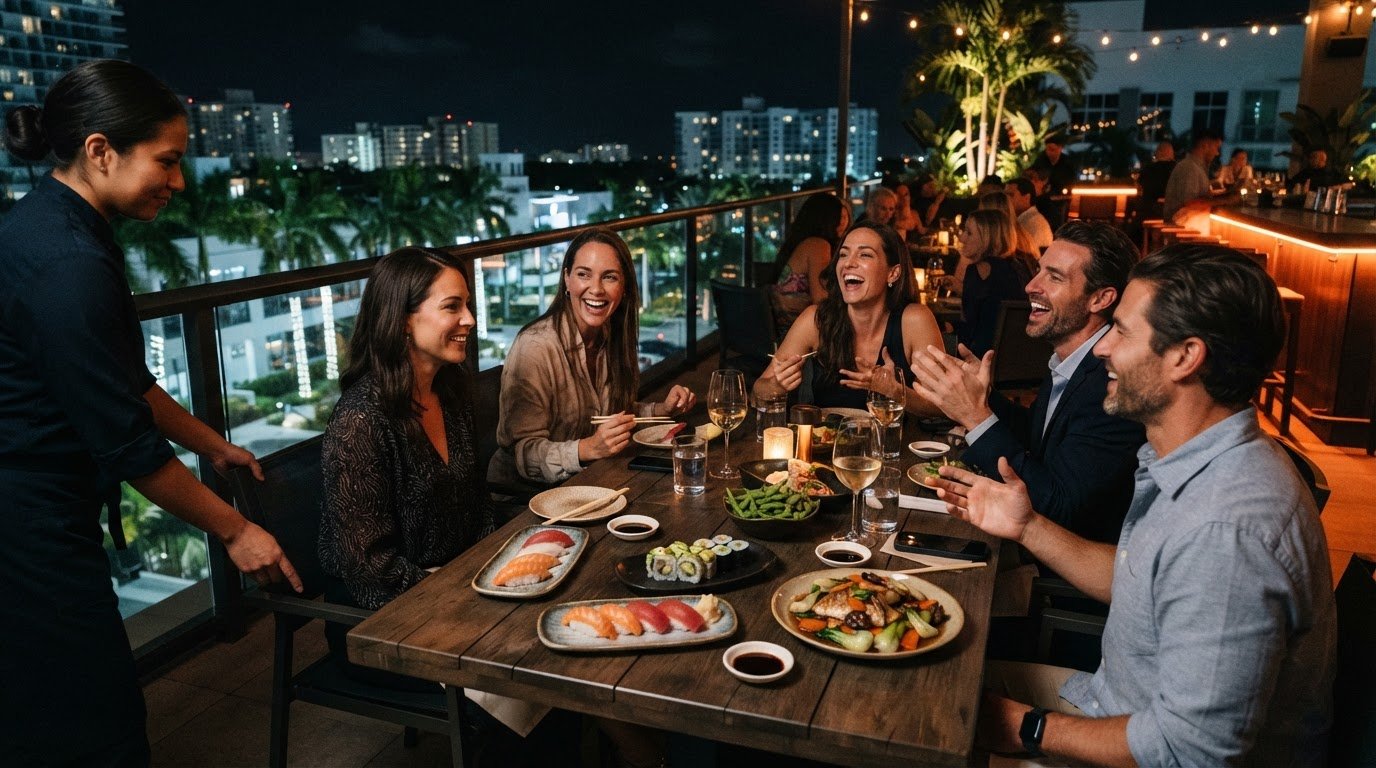
For a group booking, share the practical details in one clear message. Include the preferred date, party size, occasion, and any timing needs. A birthday dinner, for example, may call for a different rhythm than a business meal. One organizer can collect guest preferences and communicate them together. This reduces scattered requests and gives the restaurant a useful picture of the gathering.
Think about the sequence of the meal, too. Guests might begin with shared sushi, move to individual entrées, and finish with dessert. That example helps a group discuss whether it prefers a communal style or separate selections. If guests have different dietary preferences, gather them before booking. Clear information helps the dining conversation start smoothly once everyone arrives.
Drinks can influence the evening’s tone, from an early cocktail to wine alongside dinner. If cocktails or wine matter to your plans, consider how they fit the occasion and the group’s preferences. A celebratory toast, for instance, may be different from choosing a drink to accompany several courses. Keep the conversation specific and avoid assuming that every guest wants the same pairing.
Before reserving, organize these details:
- Occasion: Name the celebration or purpose of the meal.
- Party: Share the expected number of guests and any seating considerations.
- Pacing: Note whether the group prefers a leisurely dinner or a more focused gathering.
- Menu preferences: Collect dietary needs and shared-dish preferences in advance.
- Drinks: Mention whether cocktails or wine are part of the planned experience.
Atmosphere is personal, so describe what you want from the evening. Guests who value conversation may prefer a relaxed pace, while a celebration may call for a more vibrant backdrop. Let the organizer know if the group plans to make speeches or mingle during the evening. These details help clarify the kind of gathering you’re planning.
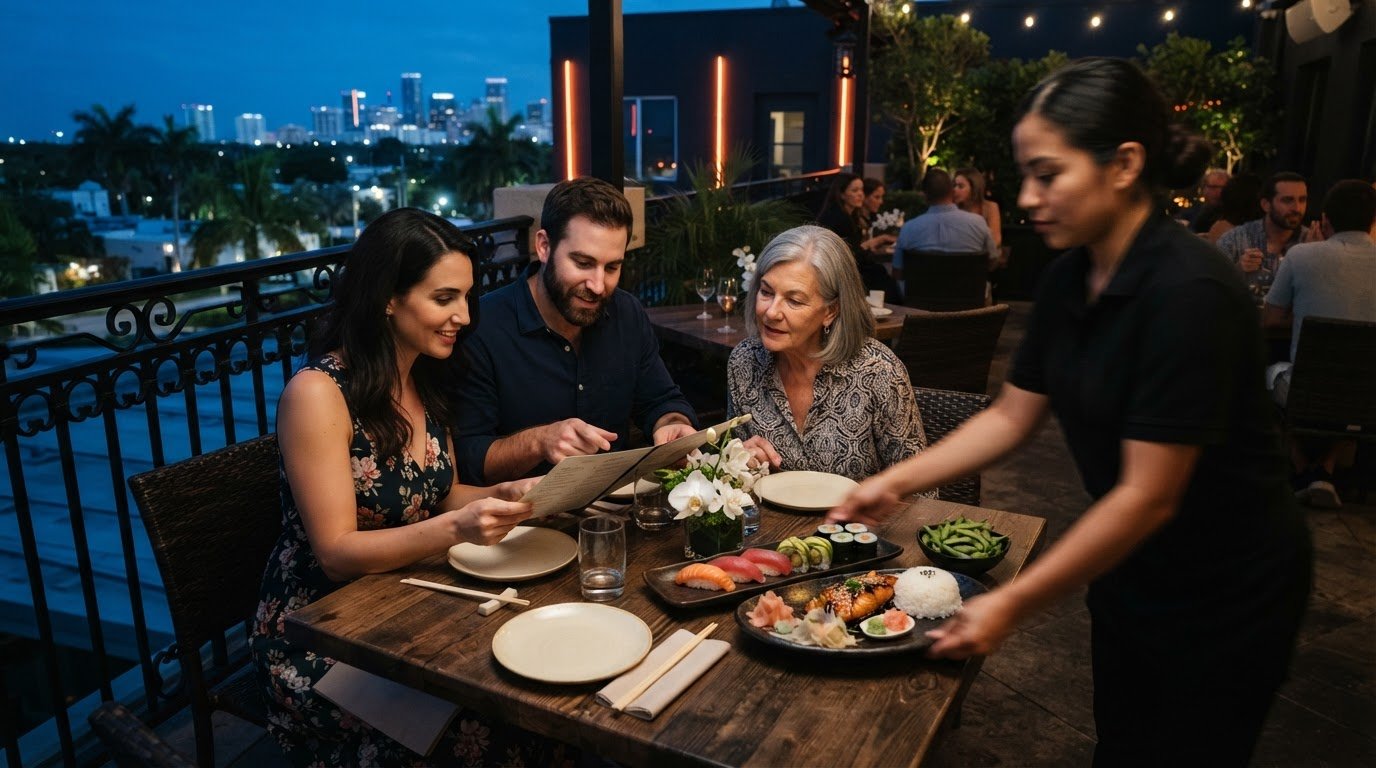
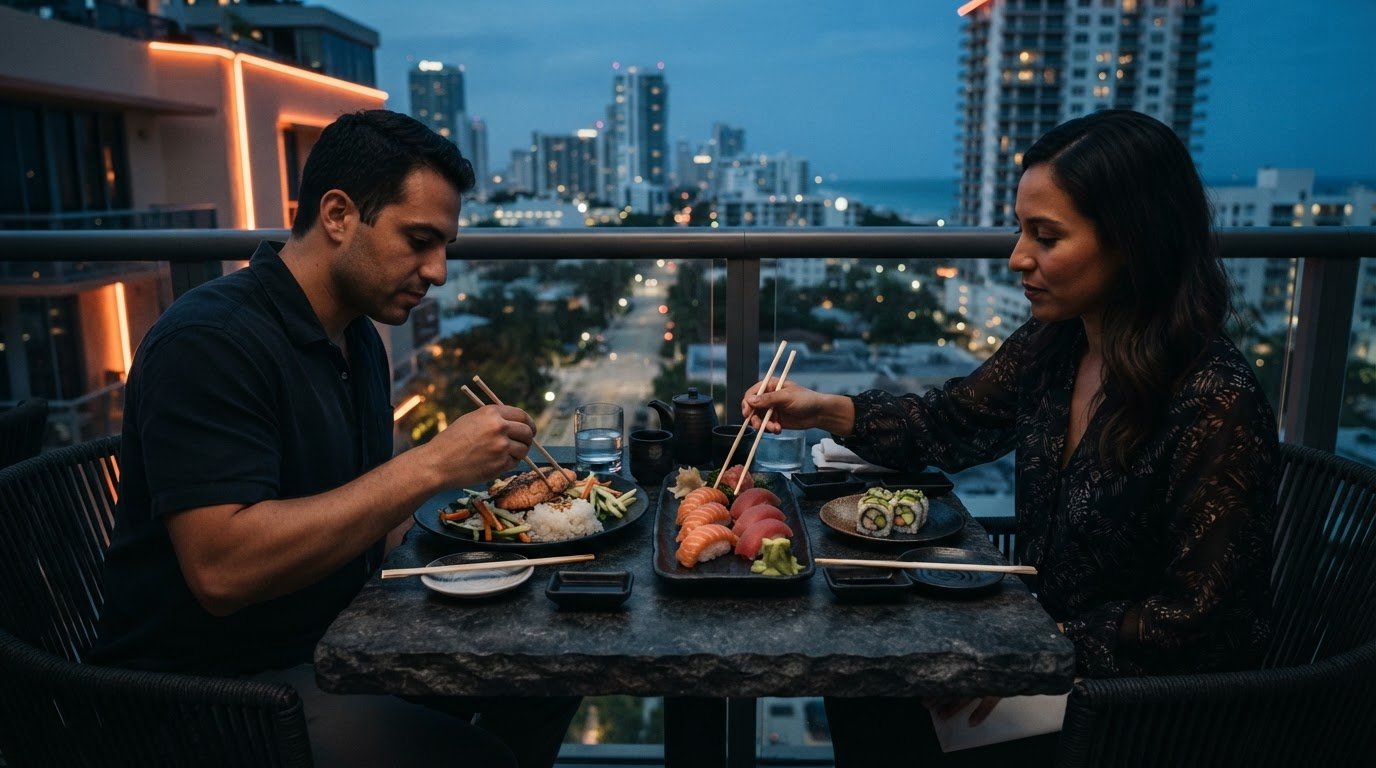
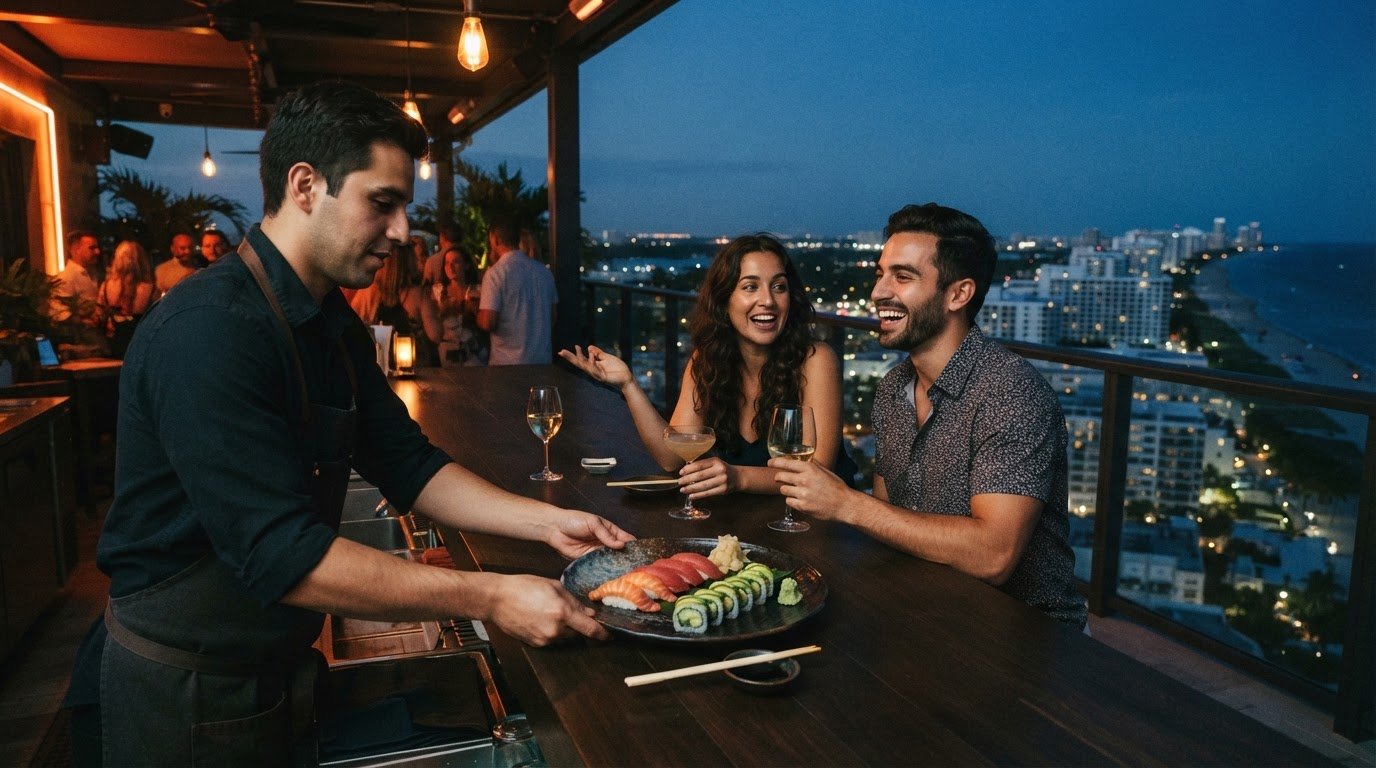
Bal Harbour diners weighing a rooftop setting can also consider how views, open-air surroundings, and a city backdrop shape the occasion. A rooftop meal often feels different from a conventional dinner because the setting becomes part of the evening’s visual experience. Match the location to the mood you want, then plan the menu and drinks around that choice.
Once the group has settled on its priorities, bring the details together before booking. For help shaping an occasion around your group’s dining plans, share your dining plans.
Kosher restaurant
Choosing a kosher restaurant involves more than finding a suitable menu label. Consider how the cuisine, setting, reservation process, and occasion work together. A dinner built around sushi, for example, may feel different from a meal centered on cooked entrées and shared plates. Start by deciding what kind of evening you want, then look for a restaurant whose dining style fits that plan.
The menu gives you a practical way to assess that fit. Look for dishes that suit the group’s tastes, from familiar options to more adventurous combinations. If guests enjoy Japanese-inspired food, sushi and Asian-influenced dishes may offer a distinctive direction. For a mixed group, consider whether the menu provides enough variety for guests who prefer cooked dishes, lighter choices, or shared starters.
Read menu descriptions with the occasion in mind. A business dinner may benefit from dishes that are easy to discuss and enjoy at a measured pace. A birthday meal might invite a broader spread for the table. For example, a group could begin with shareable starters before each guest chooses an entrée. That sequence creates a natural flow without assuming every diner wants the same meal.
Reservations matter because a restaurant experience begins before guests arrive. When arranging a table, provide the date, party size, and occasion together. If one person is coordinating a group, gathering preferences in advance can make the booking conversation clearer. Include practical details such as a guest’s dietary needs or a preference for shared dishes. Specific information helps the restaurant understand the shape of the visit.
For a gathering, decide how the group wants to approach the meal. Some guests may prefer choosing individual dishes, while others enjoy sharing selections from the table. Discuss the format beforehand so the organizer can explain the group’s preferences in the private-event inquiry. Avoid assuming everyone wants the same dining style.
Drinks can also help define the evening. Guests planning cocktails or wine should consider whether drinks are central to the occasion or simply accompany dinner. A toast at a celebration has a different role from selecting a drink to complement the meal. For a group, it helps to understand preferences early, especially when some guests choose not to drink alcohol.
Use these considerations to compare the overall dining fit:
- Cuisine: Does the menu suit the group’s preferences, such as sushi or cooked dishes?
- Format: Will guests share plates, order individually, or combine both approaches?
- Occasion: Does the setting suit a business meal, family gathering, or celebration?
- Planning: Can the organizer communicate the date, party size, and relevant needs clearly?
- Drinks: Do cocktails or wine contribute to the experience the group wants?
A useful choice brings these elements together rather than relying on one feature alone. For example, a sushi-focused menu, a lively atmosphere, and a group reservation may suit a celebratory evening. A more focused meal may call for a different pace and menu approach. Matching cuisine, setting, and reservation style gives diners a clear basis for planning a satisfying kosher restaurant visit.
Kosher cuisine
Kosher cuisine can move well beyond familiar comfort dishes. Japanese-fusion cooking, for example, can pair the precision of sushi presentation with Asian-inspired flavors and composed plates. That blend gives diners a distinctive path through dinner, from a crisp opening bite to a more substantial entrée. The experience comes from the balance of ingredients, texture, and presentation, not from a single dish alone.
Sushi offers a useful example of how cuisine and menu choices shape a meal. A guest might prefer a clean, delicate flavor, while another chooses a bolder combination with layered textures. Read each dish description for its central ingredients and style. If a term is unfamiliar, ask what the dish tastes like and how it is served. That question helps diners choose by preference, not guesswork.
For a group, variety can make the table feel inviting. One approach is to select a few starters for sharing, then let each guest choose an individual main course. Another is to keep the meal focused around sushi and complementary dishes. A birthday dinner might suit a broader selection for the table, while a business meal may work better with individual plates and a measured pace.
Flavor balance is another practical guide. If one guest prefers subtle tastes and another enjoys richer seasoning, choose different styles across the meal. For example, pair a lighter sushi selection with a more pronounced Asian-inspired dish. Consider texture as well: crisp, smooth, and tender elements can create contrast across courses. These choices help a group build a meal that feels varied without requiring everyone to order alike.
Menu language can help set expectations. Look for descriptions that explain the main ingredients and preparation, and ask for clarification about an unfamiliar dish before ordering. This is especially useful for guests with specific dietary preferences, who can make choices based on clear details rather than guesswork.
Gather preferences rather than trying to predict them. Ask guests whether they’re interested in sushi, other Asian-inspired dishes, shared plates, or individual selections. Note allergies and dietary needs plainly, then use that information to guide the menu discussion. This helps the organizer plan a more considerate meal.
- For a lighter meal: Focus on sushi and dishes with delicate flavors.
- For a shared table: Combine starters with individual main courses.
- For varied tastes: Balance subtle and bolder options across the meal.
- For unfamiliar dishes: Ask about ingredients, preparation, and flavor before ordering.
Japanese-fusion cuisine gives diners room to explore familiar ingredients in a fresh setting. A sushi-focused dinner can feel elegant and composed; a broader spread can bring more contrast and conversation. For help shaping a dining plan around Japanese-fusion flavors and your group’s preferences, share your dining preferences.
G7 Rooftop
G7 Rooftop brings kosher Japanese-fusion dining into an elevated rooftop setting for guests planning a distinctive meal. Its menu features kosher sushi and Asian-inspired dishes, offering a different way to shape dinner than a traditional, familiar menu. For diners considering a kosher restaurant in the greater Miami area, the combination of cuisine and rooftop atmosphere can make a meal feel especially suited to a celebration or group gathering.
Use the planning ideas above to settle on your preferred date, party size, occasion, and dining style before arranging a reservation. That gives the conversation a clear starting point and helps you consider how the menu and setting fit your plans.
Contact G7 Rooftop to discuss your dining plans.
Make Your Next Dinner a Memorable Occasion
Choose the kind of evening you want to create, then let that intention guide your plans. A reservation can mark a celebration, bring friends together, or simply turn dinner into a welcome change of pace. For guests seeking kosher fine dining near Bal Harbour in the greater Miami area, the next step is to shape an outing around the company you’ll share and the atmosphere you enjoy.
G7 Rooftop offers a premier rooftop restaurant and rooftop bar experience located nearby in Hollywood, Florida, giving diners a distinctive setting for a memorable meal or an evening out. Consider which best suits your plans, then bring your reservation details together with your preferred date, party size, and occasion.
Contact G7 Rooftop to plan your visit, and start shaping an evening that feels like your own.
Frequently Asked Questions
What kosher fine-dining restaurants are in Bal Harbour, Florida?
G7 Rooftop is a kosher Japanese-fusion dining option serving the greater Miami area, but it’s located in Hollywood, Florida, not Bal Harbour. Its menu features kosher sushi and Asian-inspired dishes, with food preparation and kitchen operations supervised by the Orthodox Rabbinical Board. Diners who want a rooftop setting and can travel beyond Bal Harbour may find this a relevant option for a special meal.
Which kosher restaurants near Bal Harbour require reservations, and how far ahead should diners book?
For a group or private-event inquiry at G7 Rooftop, use its private-event booking form and plan ahead around your chosen date and occasion. There isn’t a stated number of days that applies to every booking, so timing depends on the date and gathering. Share your preferred date, party size, and event details in one inquiry to help organize the request.
What are the menus and signature dishes at kosher restaurants near Bal Harbour?
The article describes Japanese-fusion menus featuring sushi and Asian-inspired dishes, with options such as shared starters, individual entrées, and dessert. It does not identify specific signature dishes.