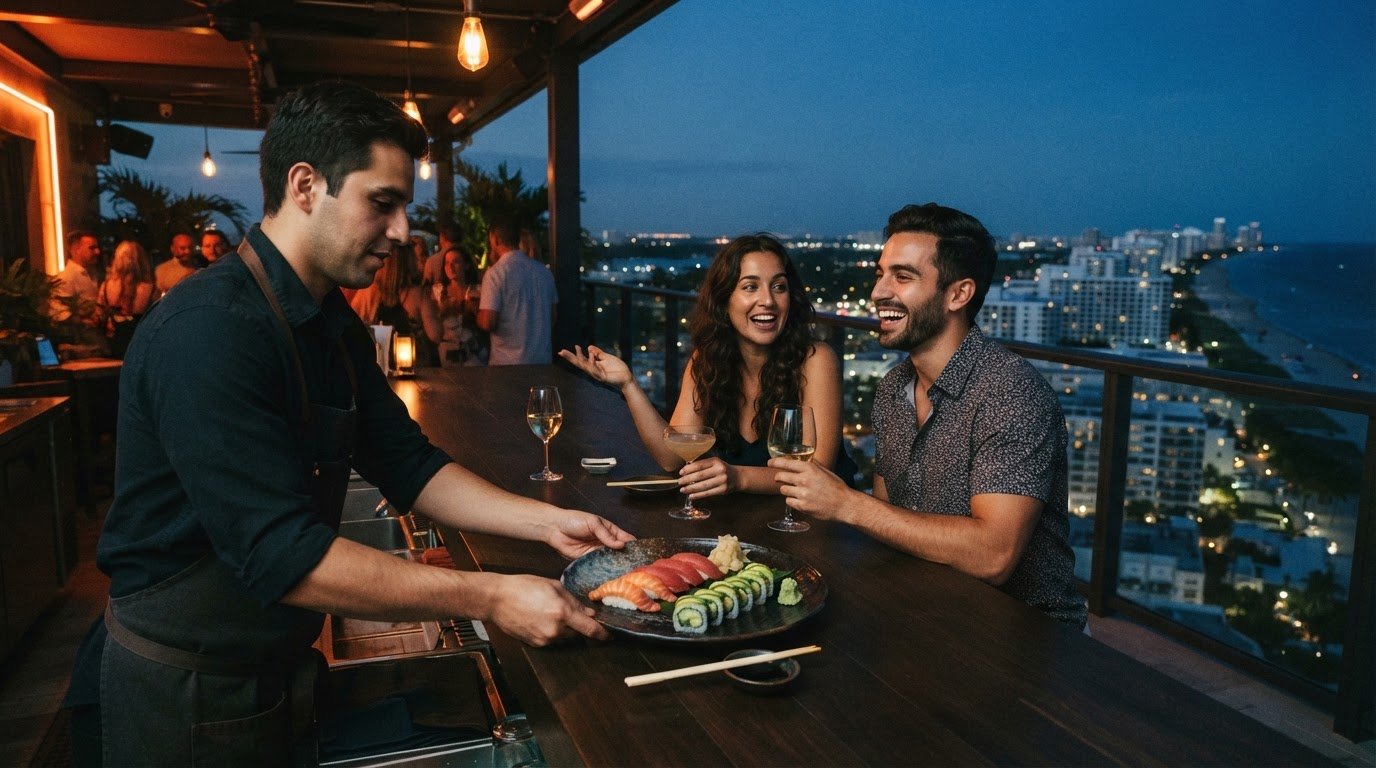
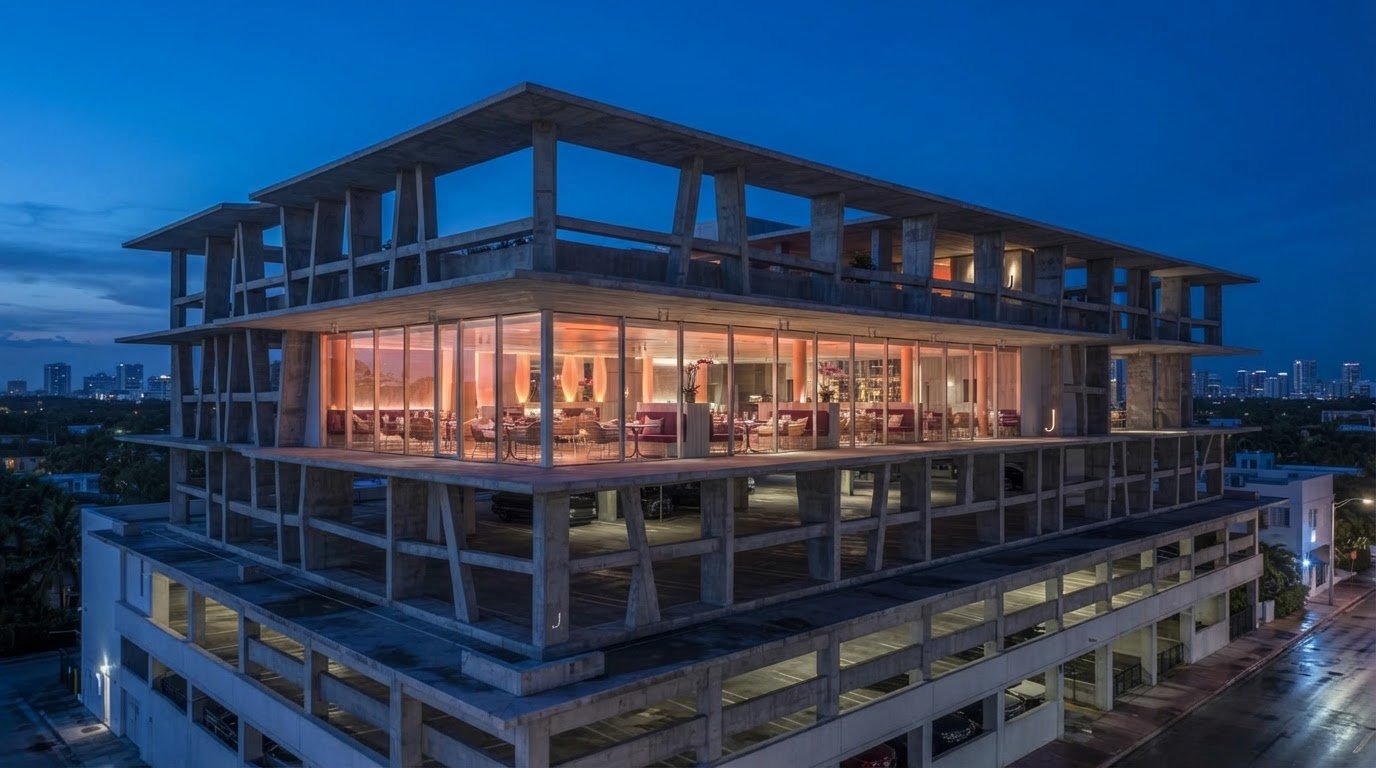
A memorable kosher gathering starts with a venue that brings food, atmosphere, and guest experience together. An intimate kosher event venue in Fort Lauderdale should make it straightforward to plan around guests’ dietary needs, choose a menu that suits the occasion, and create a polished setting that still feels welcoming.
You want every guest to feel considered while giving the celebration its own character. This guide covers how to plan a small kosher event near Fort Lauderdale, from sharing dietary needs and shaping menu preferences to choosing an event format and planning a booking inquiry. These practical details help you make decisions with confidence and give the gathering a distinct sense of occasion.
Key Takeaways
- Plan dietary accommodations around guests’ needs and make kosher dining central to the menu conversation.
- Begin booking discussions early, especially when planning around weekends or major holiday seasons.
- Use the occasion and guests’ preferences to guide menu choices, from Japanese-fusion dishes to kosher sushi.
- Match the event’s format and atmosphere to the celebration, then explore a rooftop setting for an elevated gathering.
Dietary accommodations
For a kosher gathering, dietary planning starts with understanding what guests can eat and how the venue handles food. An intimate kosher event venue in Fort Lauderdale should make kosher dining central to the occasion. Begin by noting guests’ needs, including kosher observance, allergies, vegetarian preferences, and other restrictions attendees have shared.
Kosher observance can involve more than selecting dishes with suitable ingredients. Guests may rely on kosher certification and careful food handling, so discuss how food is prepared, served, and identified. For example, clarify whether the event menu is entirely kosher or includes options that require separate handling. Clear answers help hosts set expectations and avoid awkward surprises at the table.
Can outside kosher caterers be brought to Fort Lauderdale event venues? That depends on each venue’s operating policies and food-preparation arrangements. Some venues work with their own kitchens, while others may permit outside food under specific conditions; the venue’s rules determine the available approach.
What rules apply to bringing kosher food, alcohol, and vendors to Fort Lauderdale event venues? There isn’t one rule that applies to every private venue. Food handling, alcohol service, and vendor access depend on venue policies, so include each item in the event plan rather than assuming outside products or suppliers can be accommodated.
For a practical conversation, organize requests into distinct categories:
- Kosher standards: Note the level of observance guests expect and whether certification matters to them.
- Food sensitivities: List allergies and restrictions separately from kosher requirements.
- Service details: Identify questions about preparation, serving, and how dishes are presented.
- Outside items: Record any plans involving food, alcohol, or outside vendors.
Specific examples make planning more useful. A guest with a shellfish allergy has a different need from someone seeking certified kosher food. A vegetarian preference also differs from an allergy, which may affect ingredient choices and preparation. Share these distinctions early so the menu discussion reflects each request clearly.
Then gather responses in one place. A simple event brief can capture each dietary request, the relevant menu question, and the person responsible for communicating it. This helps keep details consistent when the guest list, menu, and event schedule take shape. For a private gathering, the private-event planning page offers a place to begin organizing the occasion’s details.
Thoughtful accommodations are both culinary and practical. With clear guest information and venue policies understood, hosts can shape a meal that feels cohesive while respecting individual needs.
Kosher From Z Heart says its food is certified kosher by Kosher Miami. When considering a food provider, ask what certification applies to the dishes being discussed and how that information can be confirmed for the event. Share the answer with guests who have asked about kosher standards, and keep it alongside the menu and other dietary requests. If a guest needs a particular level of observance, state that requirement clearly when discussing food choices. This gives the host a specific point to clarify before settling on a menu or service arrangement.
Booking recommendations
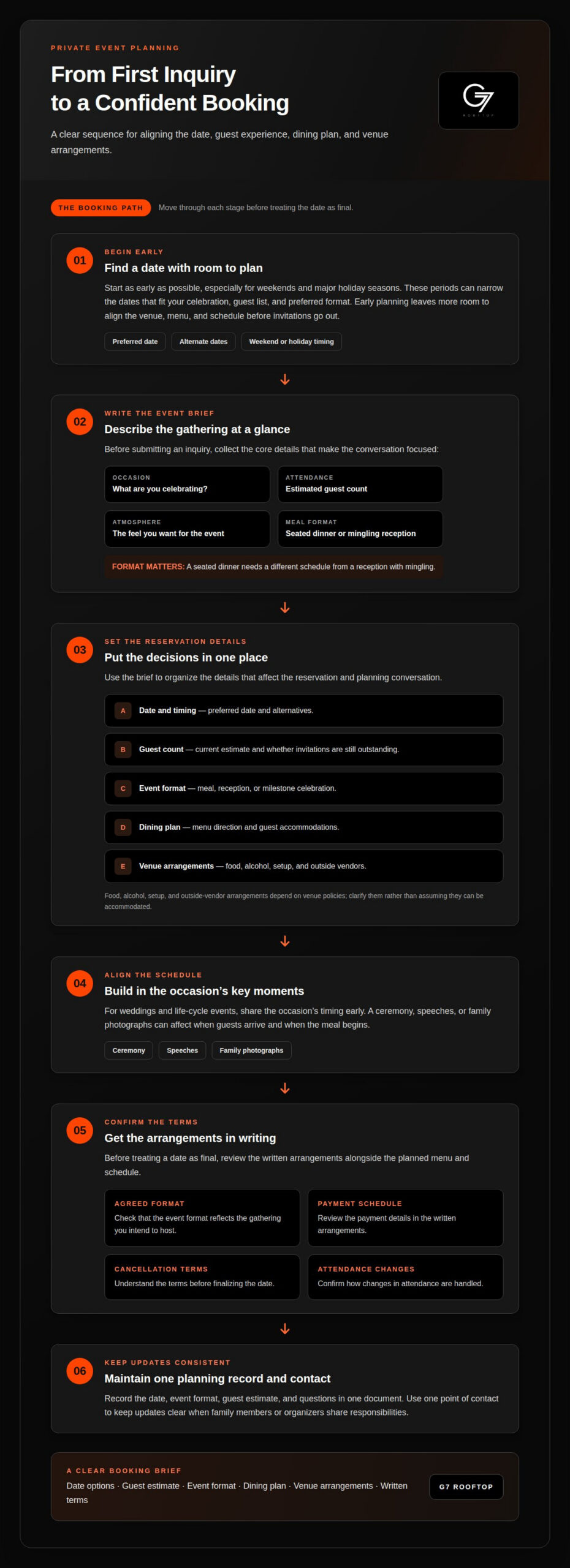
Start booking as early as possible, especially for weekends and major holiday seasons. Those periods can narrow the dates that fit your celebration, guest list, and preferred event format. Early planning also gives you more room to align the venue, menu, and schedule before invitations go out.
Which kosher caterers serve private events in Fort Lauderdale? Kosher caterers serving private events may offer different menus and service arrangements, while some venues handle dining through their own restaurant. The right fit depends on the venue’s food policies and the event’s needs.
Before submitting an inquiry, write a concise event brief. Include the occasion, estimated attendance, preferred atmosphere, and meal format. A seated dinner, for example, needs a different schedule from a reception with mingling. These details make the booking conversation more focused.
Then organize the decisions that affect the reservation:
- Date and timing: Identify your preferred date and any alternate dates, especially around weekends or major holidays.
- Guest count: Share your current estimate and note whether invitations are still outstanding.
- Event format: Describe whether guests will gather for a meal, a reception, or a milestone celebration.
- Dining plan: Explain the desired menu direction and any guest accommodations discussed during planning.
- Venue arrangements: Clarify how food, alcohol, setup, and outside vendors fit the venue’s policies.
Keep the planning details in one document. Record the date, event format, guest estimate, and questions in the same place. This helps prevent conflicting updates when family members or organizers share responsibilities and makes changes easier to communicate.
Ask for the event arrangements and terms in writing before treating a date as final. Review the agreed format, payment schedule, cancellation terms, and how attendance changes are handled. Compare these details with the planned menu and schedule so the reservation reflects the celebration you intend to host.
For weddings and life-cycle events, coordinate the booking conversation with the occasion’s schedule. A ceremony, speeches, or family photographs can affect when guests arrive and when the meal begins. Share these milestones early, rather than trying to fit them into the evening after arrangements are made.
Use one point of contact to keep updates clear. When you’re ready to discuss a gathering, the event planning contact page offers a direct next step.
Cuisine and custom menus
A menu should feel like part of the occasion, not a separate decision. Start with the event’s mood, then choose dishes to support it. A relaxed family dinner might suit shared starters and a composed main course, while a formal celebration may call for a paced meal with distinct courses. The format sets the meal’s rhythm.
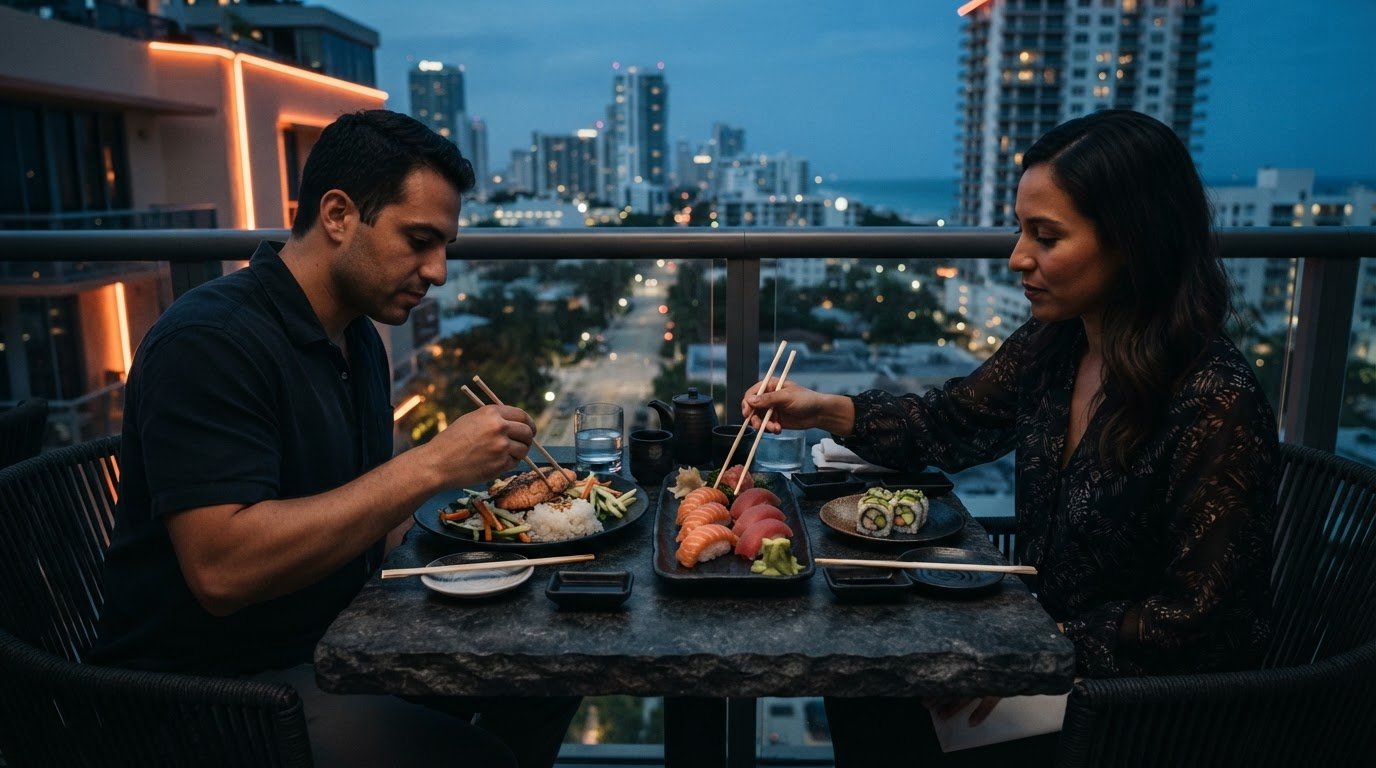
Next, choose a culinary direction guests can recognize and enjoy. Japanese-inspired dishes, kosher sushi, and Asian-style preparations can bring color, contrast, and visual detail to the table. A menu can balance familiar choices with a more distinctive centerpiece. For example, pair a selection of sushi with warm cooked dishes, then finish with a dessert that suits the celebration.
Build the menu in sequence. Choose an opening course for guests’ arrival, then decide whether the main meal should be plated, shared, or part of a reception format. Finally, consider how dessert and beverages fit the schedule. A reception with speeches may need a different service flow from a seated dinner.
Use a short planning brief to turn preferences into practical choices:
- Occasion: Name the celebration and the atmosphere you want guests to experience.
- Meal format: Choose between a seated dinner, shared plates, or reception-style service.
- Flavor direction: Note preferred cuisines, such as Japanese-inspired cooking or sushi.
- Guest preferences: Separate strong likes from specific dietary needs already gathered.
- Service rhythm: Connect courses with arrivals, speeches, and other planned moments.
Then refine for balance. If the first course is light and crisp, a warmer, richer main dish can add contrast. If sushi is central, consider how the other courses complement rather than compete with its flavors. A concise menu often feels more intentional than a long list of unrelated choices. Give each dish a clear place in the meal.
Customizing does not require a separate menu for every guest. Identify the requests that matter most, such as a vegetarian selection or milder flavors, and distinguish them from the overall cuisine direction. This helps the menu stay cohesive while giving guests thoughtful options.
Review the proposed menu alongside the event schedule before settling on it. A long gap between courses can affect speeches or presentations, while a reception benefits from easy-to-enjoy selections. Share the sequence and serving style with the venue team, along with key moments in the program. This connects the menu to the evening’s pace and atmosphere.
Customized menus for weddings and life-cycle events
A wedding, bar mitzvah, or anniversary gives the menu a role beyond serving dinner. It can reflect the celebration’s tone, carry family traditions, and create a memorable moment for guests. Name the occasion first, then choose the feeling the meal should express, whether elegant, lively, or warmly familiar.
For a wedding, plan the meal around the event sequence. Consider guest arrival, the ceremony, speeches, and the transition to dancing. A welcome bite can suit an arrival reception, while a seated dinner can follow formal remarks. Share the schedule with the venue team so the menu’s pacing supports each moment.
Life-cycle celebrations often include family customs or meaningful personal details. A menu can reflect them through a favored dish, a family-inspired flavor, or a presentation tied to the honoree. A graduation celebration might feature the graduate’s favorite cuisine, while an anniversary dinner could revisit a dish associated with the couple’s story.
Make customization manageable with a clear event brief. Include:
- Occasion and honoree: Identify the milestone and whose preferences should guide the meal.
- Schedule: Note when guests arrive, when the meal begins, and where speeches fit.
- Menu priorities: Separate essential requests from optional ideas, such as a signature dessert.
- Service style: Describe whether the gathering calls for a seated meal or reception service.
- Guest considerations: Include the dietary needs already collected for the event.
Ask about practical requirements such as parking and audiovisual equipment as part of your event inquiry. Consider how guests will arrive and whether speeches or a slideshow need sound or display equipment. Include these needs in the private-event form so they can be addressed in the booking conversation.
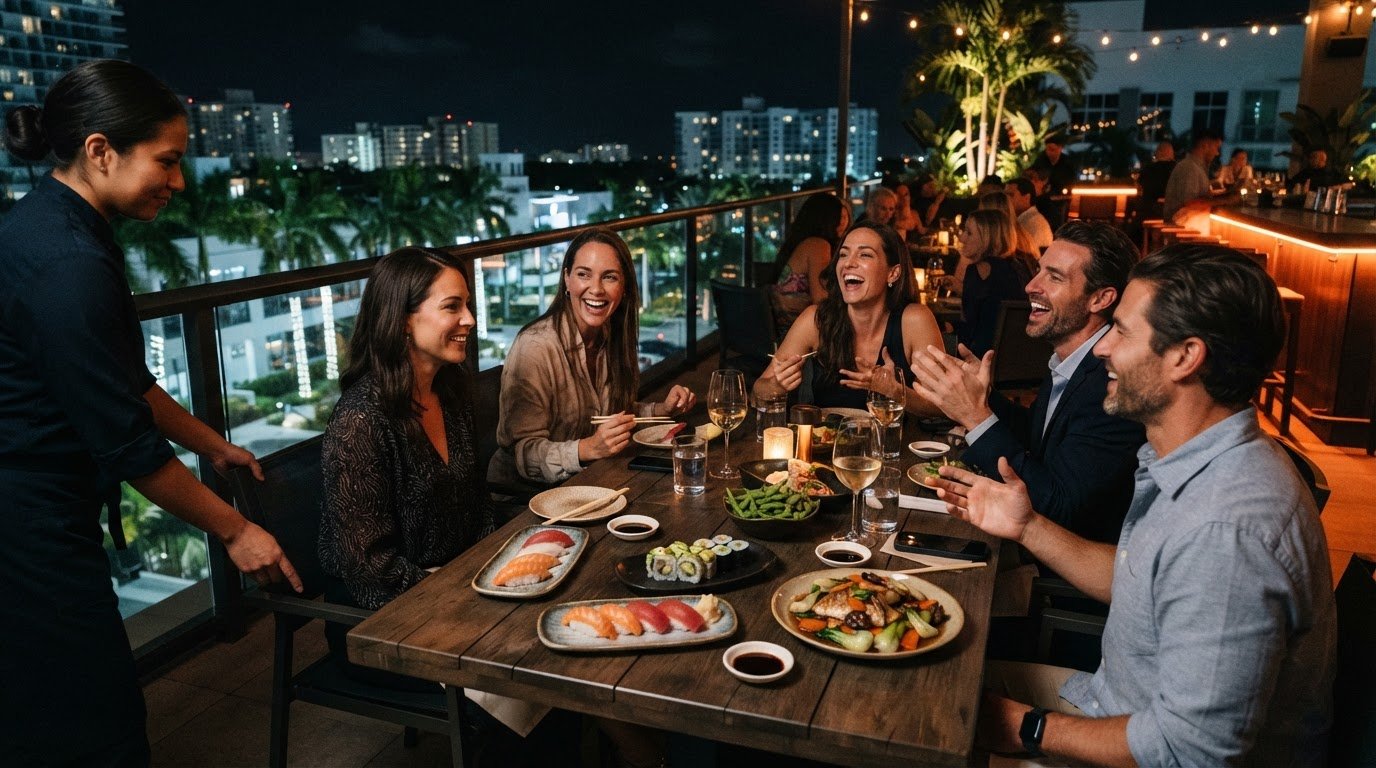
Coordinate the menu with the room’s atmosphere. A rooftop celebration, for instance, may call for a reception format that lets guests mingle before dinner. A family milestone with seated remarks may benefit from a calmer meal sequence. The setting, service style, and menu should feel like parts of one carefully composed occasion.
Review the menu alongside the event timeline. Mark moments that need a pause, such as a toast or presentation, and decide where each course belongs. Keep the final menu and schedule together so hosts and venue staff can refer to the same plan as the celebration takes shape.
Event types served
Start with the occasion, because a wedding reception and a business dinner need different rhythms. An intimate kosher gathering might mark an engagement, birthday, anniversary, graduation, family milestone, or professional celebration. Naming the event clarifies its tone, guest experience, and place in the evening.
For a birthday or anniversary, decide whether conversation or a planned program should lead. A relaxed dinner may center on shared dining and toasts, while a milestone celebration could include a slideshow or short speeches. These choices affect seating, timing, and how the meal supports the occasion.
Family life-cycle gatherings often bring several generations together. A graduation dinner may honor one guest, while an engagement celebration welcomes two families. Consider who will speak, whether younger guests will attend, and how formal the gathering should feel. Those details help create a comfortable format without making the event feel overproduced.
Professional occasions call for a different balance. A client dinner may favor a quieter setting and a meal that leaves room for conversation. A team celebration might feel more social, with time for informal remarks and mingling. For either format, identify whether the gathering is mainly for dining, recognition, or relationship-building.
Use this event brief to describe the experience you want:
- Occasion: State whether it’s a birthday, wedding-related celebration, anniversary, or business dinner.
- Guest mix: Describe family members, colleagues, children, or other important attendee groups.
- Gathering style: Choose a seated meal, reception, or a combination with distinct moments.
- Program: Note speeches, toasts, presentations, or music that may shape the schedule.
- Atmosphere: Choose words such as intimate, lively, elegant, or relaxed to guide decisions.
A holiday gathering can take several forms. A family meal may prioritize unhurried conversation, while a workplace celebration may include a welcome, dinner, and brief remarks. Clarify the occasion’s purpose before settling on the format. That decision can guide the schedule, seating plan, and menu direction.
Match the venue to practical needs, not just the event label. A presentation needs a different setup from a dinner focused on conversation, while a reception with mingling needs room for guests to move comfortably. Include these requirements in your planning notes alongside the event type and atmosphere.
Once the format is clear, share the occasion, guest mix, and schedule in one concise inquiry. Send an event inquiry to discuss the gathering and its planning needs.
G7 Rooftop
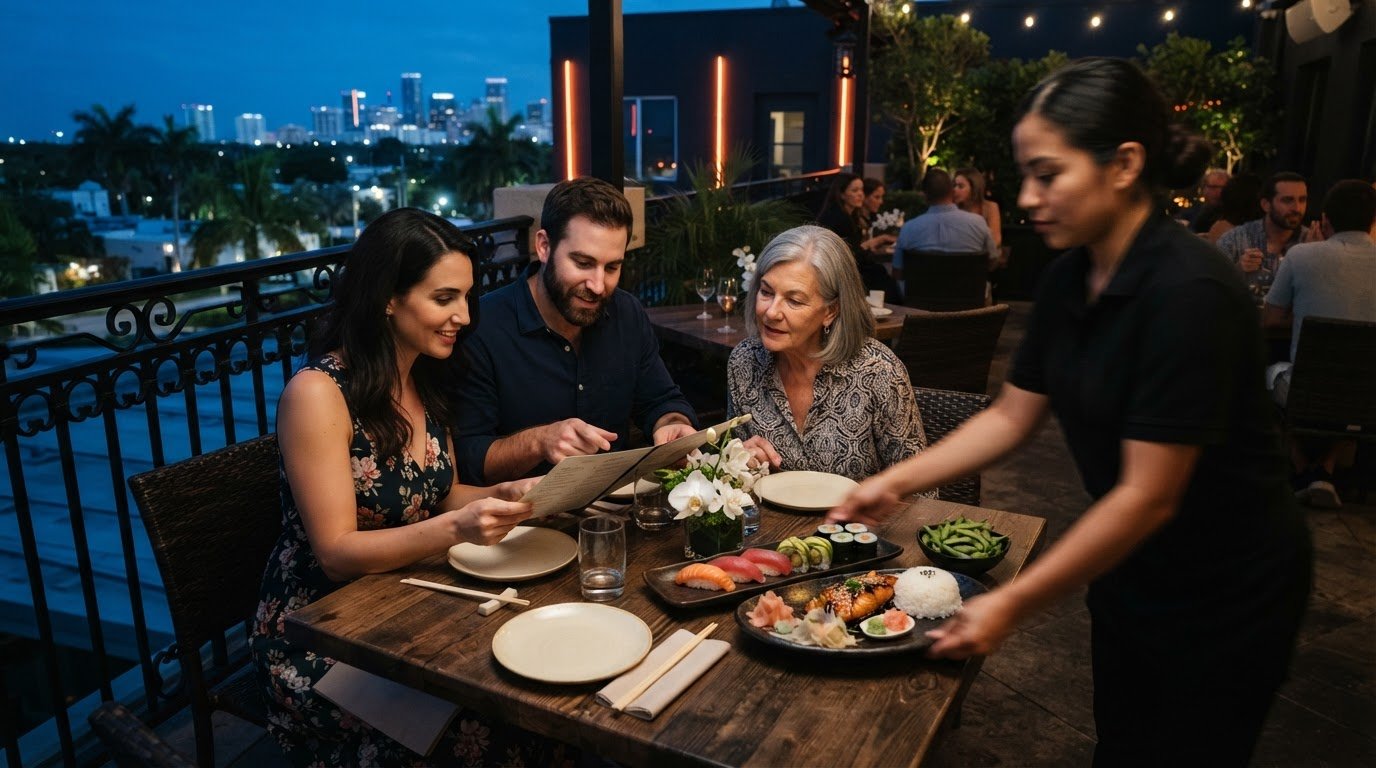
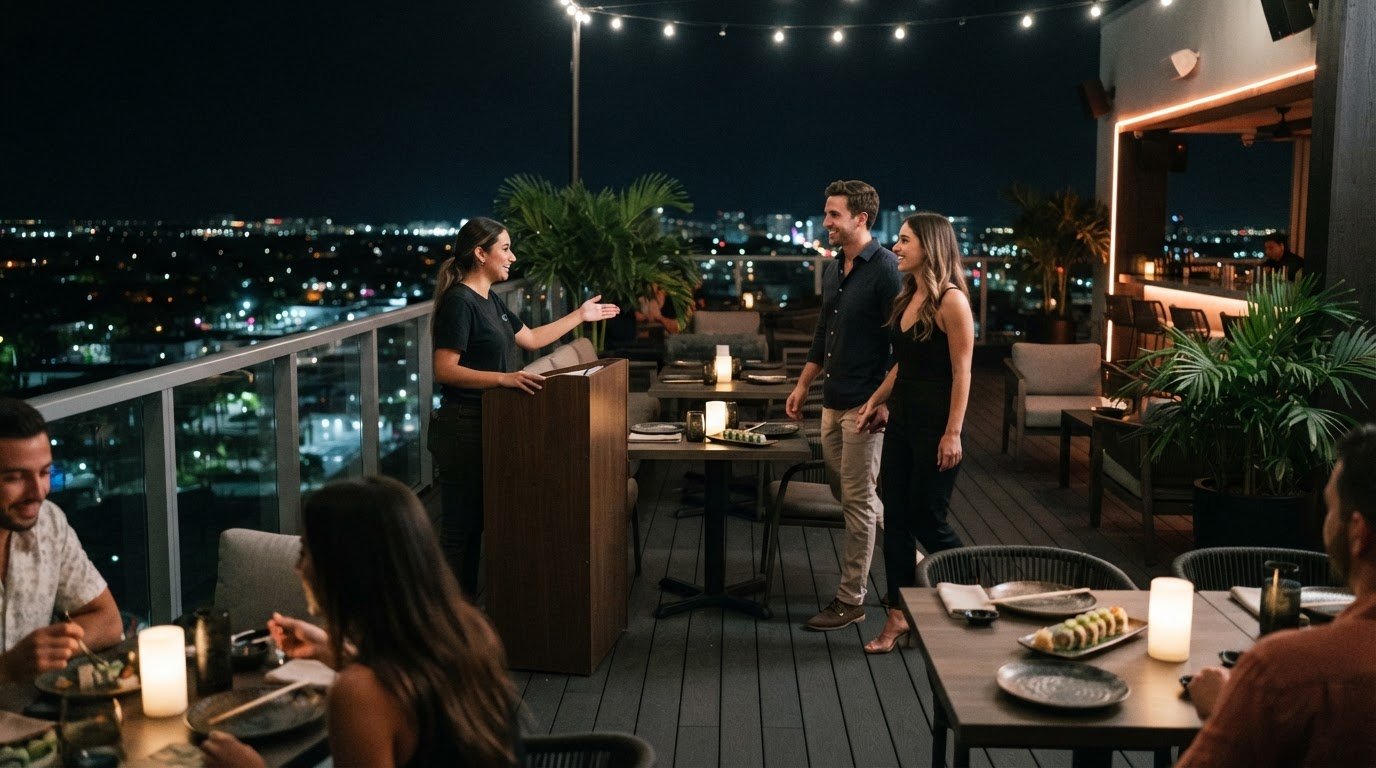
G7 Rooftop brings kosher dining and an elevated rooftop setting together for gatherings near Fort Lauderdale. Located in Hollywood, Florida, it serves the greater Miami area with Japanese-fusion cuisine, kosher sushi, and Asian-inspired dishes. The menu is 100% kosher, making the restaurant a relevant option for hosts seeking a kosher dining experience with a distinctive atmosphere.
Consider G7 Rooftop when your event plans call for a restaurant setting, a kosher menu, and the energy of a rooftop destination. Its panoramic views and dining atmosphere can lend a special occasion a polished sense of place. Share the occasion and your gathering’s priorities when making an inquiry.
Contact G7 Rooftop to discuss your event and dining plans.
Shape the Celebration Around Your Guests
Memorable gatherings have a clear point of view. Choose a detail that feels distinctly yours, such as a family tradition, a favorite flavor, or the mood you want guests to carry home. Let that choice guide the atmosphere and give the celebration a personal signature.
As you move from ideas to decisions, consider the evening as a guest journey. Think about how people arrive, settle in, share the meal, and take part in the occasion. This perspective can help you choose an intimate kosher event venue in Fort Lauderdale that feels cohesive, welcoming, and true to your plans.
G7 Rooftop can be part of that next conversation as you explore how your gathering might take shape. Bring your occasion and preferred atmosphere to the discussion, then consider the details that matter most to you.
Contact G7 Rooftop about your event, and begin shaping a celebration that feels unmistakably yours.
Frequently Asked Questions
What intimate event venues in Fort Lauderdale offer kosher catering?
G7 Rooftop offers private-event bookings with kosher Japanese-fusion dining in Hollywood, serving the greater Miami area. Its menu features kosher sushi and Asian-inspired dishes for guests gathering at the restaurant. This is an on-site dining option, not off-site catering. Share the event’s occasion and preferred format in your inquiry to help frame the conversation around the gathering.
Which Fort Lauderdale venues have on-site kosher kitchens or kosher certification?
G7 Rooftop’s food is certified kosher under the supervision of the Orthodox Rabbinical Board (ORB). That certification applies to its kosher Asian cuisine; it does not establish details about the kitchen itself. The restaurant is in Hollywood, Florida, near Fort Lauderdale. For guests whose observance depends on a particular certification standard, the ORB supervision is the relevant detail to consider.
How far in advance should you book a kosher event venue in Fort Lauderdale?
Reserve as early as possible, especially for weekends and major holiday seasons. These dates can be especially relevant for family celebrations, so begin planning once you have a likely event date. Include the occasion, preferred date, and expected gathering format in your initial inquiry. Early communication gives the venue time to discuss the event arrangements while you shape the rest of your plans.