A kosher-friendly menu and a kosher-certified restaurant aren’t interchangeable. To migrate dinner plans from Asiatiko Miami, choose a South Florida destination that matches the level of kosher observance your party needs, and distinguish a kosher-friendly menu from a kosher-certified restaurant. Glatt kosher meat on a menu, by itself, doesn’t make a restaurant kosher-certified. That distinction is a useful starting point when the evening calls for both confidence in the dining choice and an atmosphere worth lingering over.
Changing the plan doesn’t have to mean settling for a less memorable night. The key is knowing what kind of kosher dining fits your group before choosing the setting and cuisine. This guide explores kosher-friendly options across South Florida and certified kosher restaurants in Miami, with practical context to help you find a dinner destination that suits the occasion, the company and the experience you want to create.
Key Takeaways
- Distinguish between restaurants with kosher-friendly choices and destinations suited to stricter kosher dining needs when planning across South Florida.
- Use the kind of cuisine, dining atmosphere, and your party’s requirements to narrow down a dinner destination.
- For Shabbat dinner, plan around the meal’s timing and the needs of everyone at the table.
- Consider how a rooftop setting can shape the evening when choosing a kosher dinner destination.
- G7 Rooftop brings kosher dining and a rooftop restaurant experience together for a distinctive night out.
1. Kosher-friendly dining in South Florida
Asiatiko Miami brings robata-style Japanese steakhouse dining to Aventura, at 2906 NE 207th St. Its charcoal-grilled menu includes oyster mushrooms, eggplant, Korean ribs, and lamb chops. Those flavors offer a useful starting point for reshaping dinner plans: decide whether the priority is Japanese-inspired cuisine, a particular atmosphere, or a restaurant that meets your party’s kosher requirements. The best alternative depends on which of those matters most.
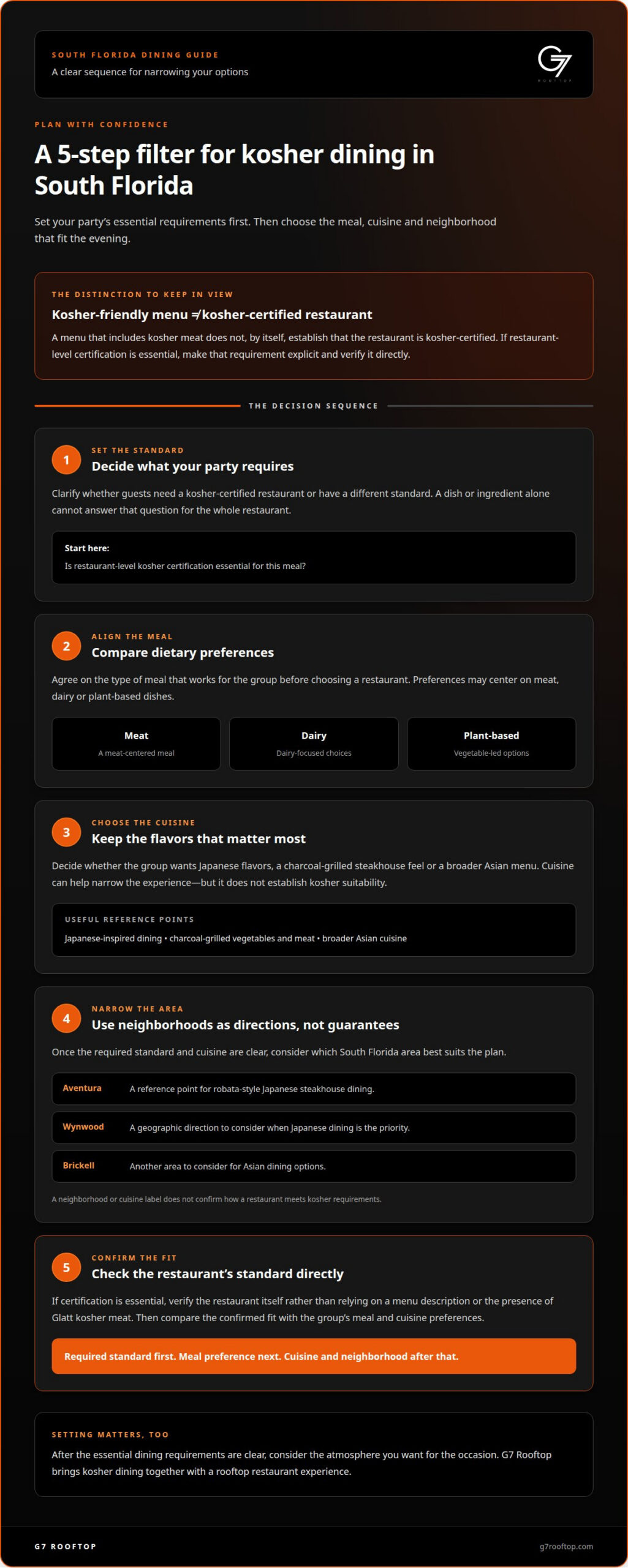
“Kosher-friendly” and “kosher-certified” describe different dining expectations. A restaurant may feature kosher meat without being a kosher-certified restaurant, so the menu alone doesn’t establish certification. This distinction matters for guests who need the restaurant itself to meet a particular standard, not simply to offer selected kosher ingredients. Before settling on a destination, identify the level of observance your group needs, then choose a place accordingly.
Meat and dairy preferences also shape the search. Some diners want a meal centered on meat, while others prefer dairy or plant-based dishes. These preferences can affect which menu choices feel suitable and how a group selects its restaurant. For a party with varied needs, align on the type of meal first. Then consider cuisine and setting. A shared decision is easier when everyone knows which requirement is essential.
Aventura offers the clearest connection to Asiatiko’s robata style. The charcoal cooking and Japanese steakhouse format make it a natural reference point for guests who want a similar culinary mood. The dishes named at Asiatiko show how broad that mood can be, from vegetables such as eggplant and oyster mushrooms to Korean ribs and lamb chops. When changing plans, keep the cooking style or ingredient preference that matters most, rather than trying to reproduce every part of the original dinner.
Wynwood can be a practical area to consider for Japanese dining, especially when the group wants to keep Japanese cuisine central to the evening. Treat the neighborhood as a geographic direction, not proof that a particular restaurant meets kosher requirements. First decide whether kosher certification is essential or whether your party has a different standard. Then narrow the search by cuisine and dining style. That order helps prevent an appealing Japanese menu from being mistaken for a suitable kosher choice.
Brickell offers another neighborhood direction for people considering Asian dining. Asian cuisine covers many styles, so be specific about what your group wants: Japanese flavors, a different regional influence, or simply a menu with Asian-inspired dishes. Next, apply the same kosher distinction. A cuisine label doesn’t establish how a restaurant handles kosher dining, just as a meat dish doesn’t establish restaurant certification. Matching the neighborhood, menu style, and required standard makes the choice more deliberate.
For a group comparing South Florida options, use a simple sequence. Set the required kosher standard first. Choose meat, dairy, or plant-focused preferences next. Then select the cuisine and neighborhood that suit the occasion. Someone seeking charcoal-grilled Japanese steakhouse flavors may prioritize a different experience from someone seeking a broader Asian menu in Brickell. These choices create a focused shortlist without confusing culinary similarity with kosher suitability.
For dinner plans beyond one restaurant visit, the U.S. Environmental Protection Agency advises that shopping lists should reflect how many meals you’ll eat at home and how often you’ll eat out. That principle can help organize a South Florida stay: plan restaurant meals around the places and cuisines you want to experience, then account for meals at home. It’s a practical way to make dining decisions fit the trip, rather than letting every meal become a last-minute choice.
When the goal is to migrate dinner plans from Asiatiko Miami, preserve what you value and reconsider what you need. Keep robata cooking, Japanese cuisine, or a lively steakhouse mood as priorities if those defined the original plan. If kosher suitability is the deciding factor, make that standard the first filter. Aventura, Wynwood, and Brickell provide distinct directions for exploring South Florida dining, but cuisine and neighborhood should follow the group’s kosher requirements.
Papi Steak and Motek offer Glatt kosher meat but are not kosher-certified restaurants. The Modern Luxury article lists 10 restaurants among its Miami kosher dining destinations. These examples reinforce the need to check certification directly when it is essential, rather than assuming that a kosher meat offering settles the question.
5. Shabbat dinner
A Shabbat dinner plan starts with the household’s observance, not the restaurant’s atmosphere. Before choosing a setting, decide whether the meal will take place at home, at a restaurant, or before Shabbat begins. That distinction shapes the timing, travel, menu, and guest arrangements. For example, a Friday gathering planned before Shabbat may need a different schedule from a meal hosted at home. Establish the intended experience first, then build the evening around it.
Next, identify what each guest needs from the meal. Ask about kosher standards, dietary preferences, and whether anyone is observing Shabbat in a way that affects travel or restaurant use. These are planning questions, not assumptions to make on someone else’s behalf. One guest may prioritize a particular kosher standard; another may need a suitable vegetarian choice. Agree on the essential requirements before discussing cuisine or ambiance.
Timing deserves its own decision. Choose the meal’s intended start time around your household’s observance and the evening’s logistics. Then account for the journey, arrival, and time needed to settle in. A reservation that looks convenient on a calendar may not suit a guest traveling from another part of South Florida. Consider the route from each person’s starting point, especially when the party includes guests coming from different neighborhoods.
For a home-hosted dinner, assign practical responsibilities early. One person can coordinate the menu, another can handle the guest list, and a third can organize the table. Keep the menu aligned with the group’s requirements rather than adding dishes that complicate preparation. For example, a host planning a meat-focused meal can ask guests about side dishes and dietary needs before finalizing choices. A clear plan reduces last-minute changes.
A restaurant plan needs a different sequence. Start with the required kosher standard, then consider the location, cuisine, and atmosphere. A polished setting can make the evening feel celebratory, but it cannot replace a dining choice that meets the group’s needs. Share the relevant details with guests before settling the plan. That gives everyone a chance to flag a genuine constraint while there’s still time to adjust the destination or schedule.
Guest communication can be simple and specific. Send one message with the date, proposed setting, expected timing, and general meal style. Ask guests to share dietary requirements directly, rather than leaving the host to infer them. If the plan changes from a restaurant dinner to a home gathering, send the update promptly. Clear details help guests arrange transportation and prepare for the evening without turning the invitation into a long checklist.
Build flexibility into the plan without making the meal feel uncertain. Select a primary arrangement and a practical alternative, such as moving the gathering home if travel becomes inconvenient. Keep both options consistent with the group’s stated needs. For a dinner involving relatives from several parts of Miami, a simpler location may be preferable to a more elaborate venue. The best choice is the one that supports the meal and the gathering.
Finally, give the evening a personal touch that suits your guests. A family recipe, a thoughtfully arranged table, or a short welcome can make the meal feel distinctive without complicating the menu. If you’re organizing dinner with a restaurant setting in mind, keep the conversation focused on the group’s preferences and plans. For help discussing dinner arrangements, use the contact page.
G7 Rooftop
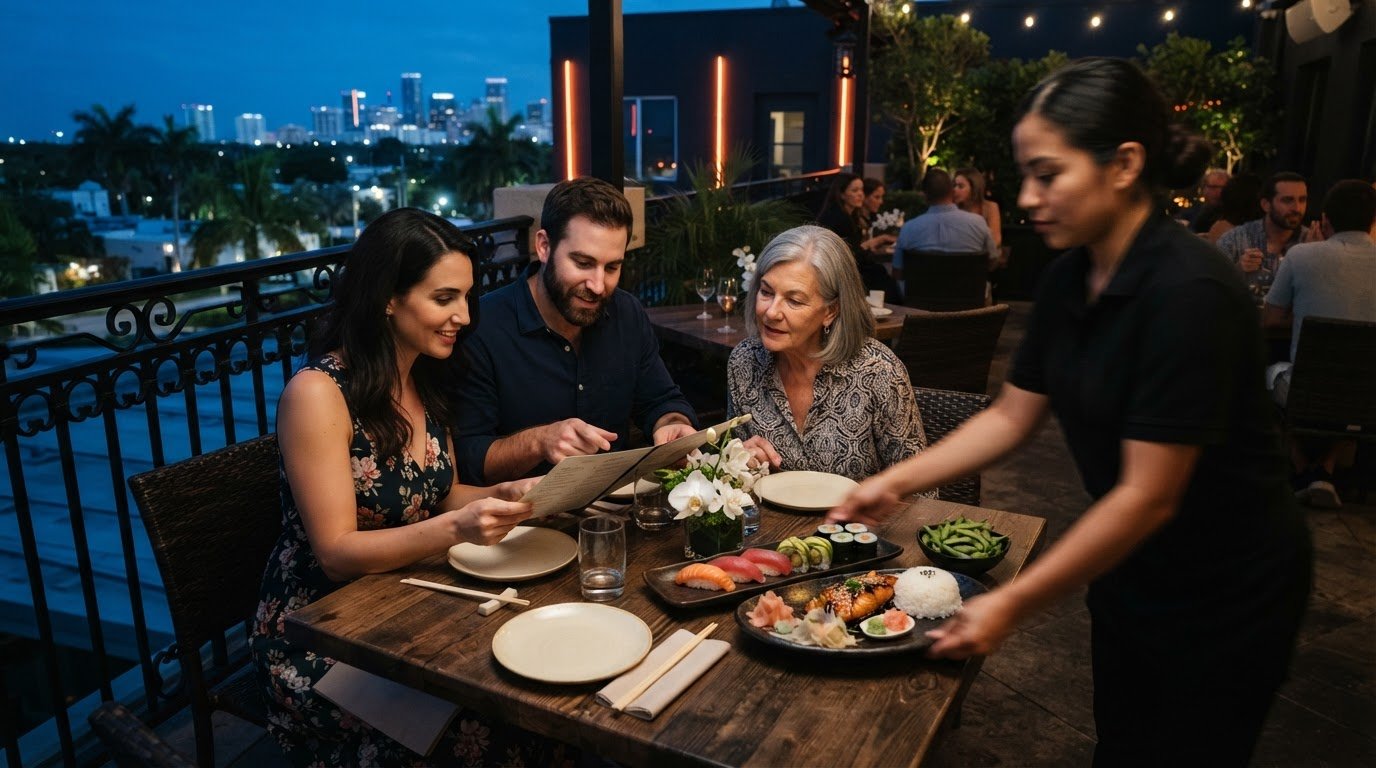
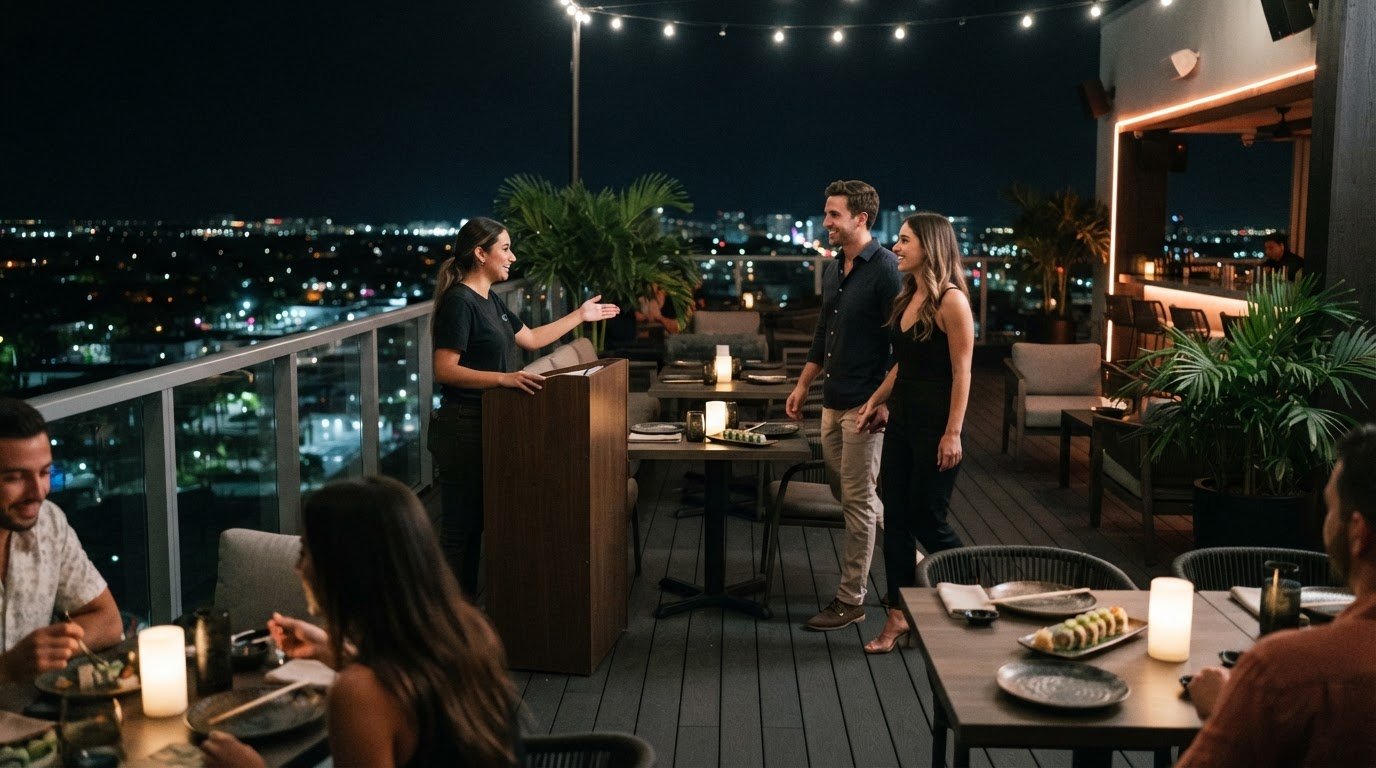
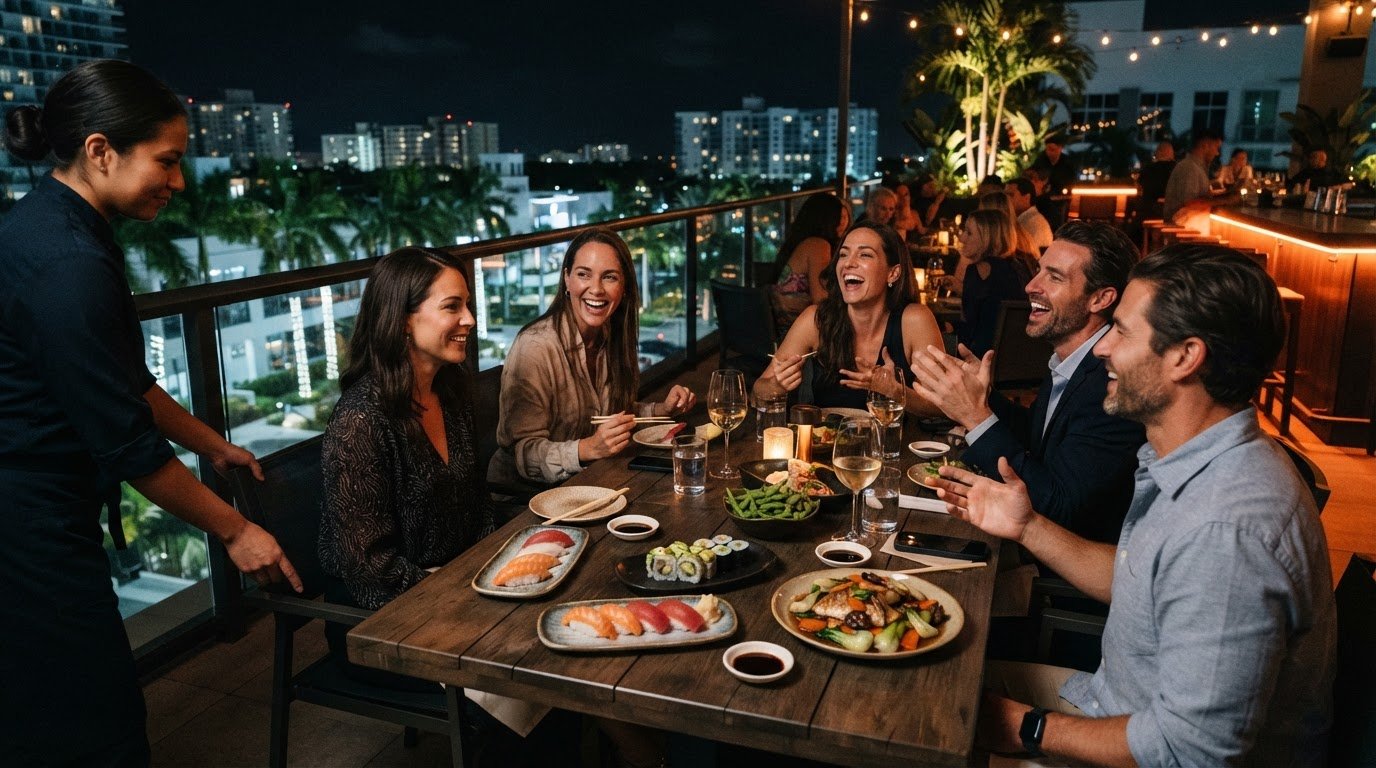
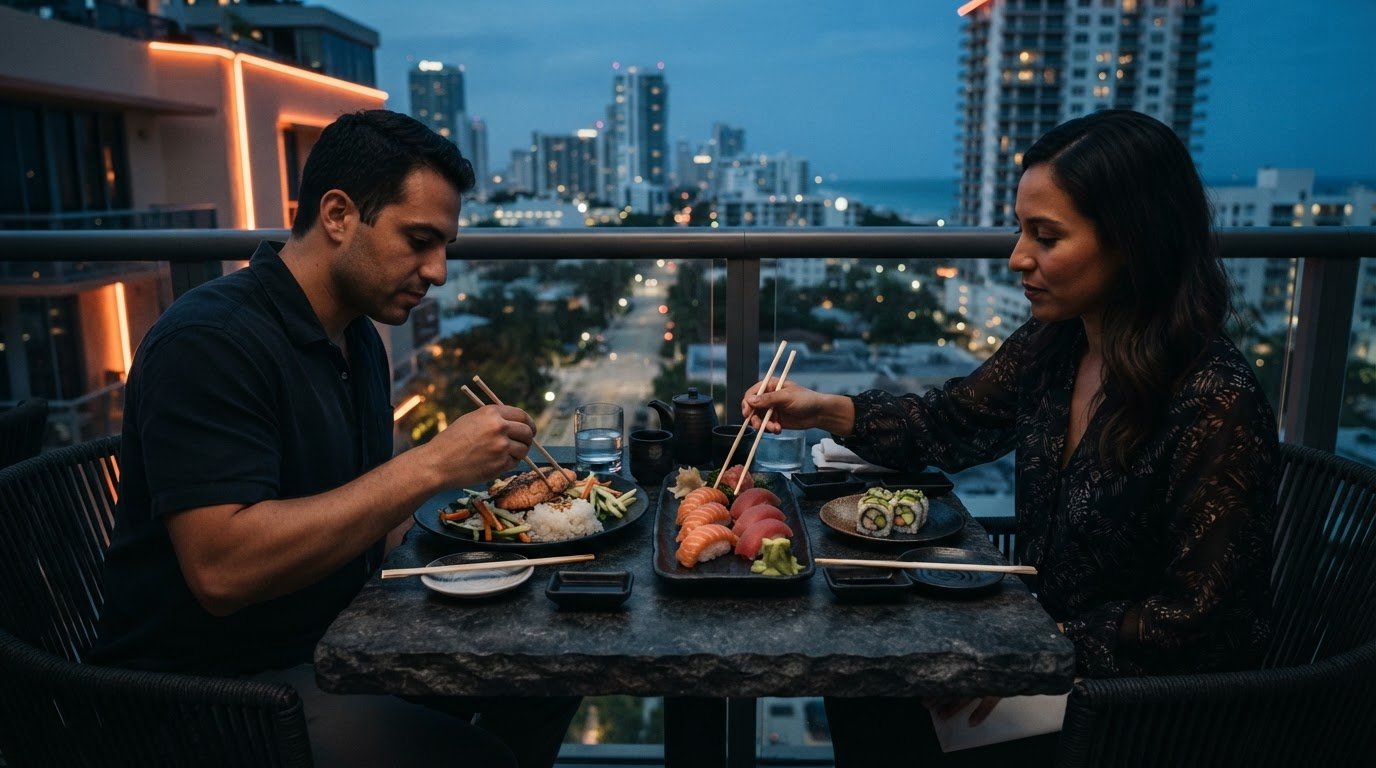
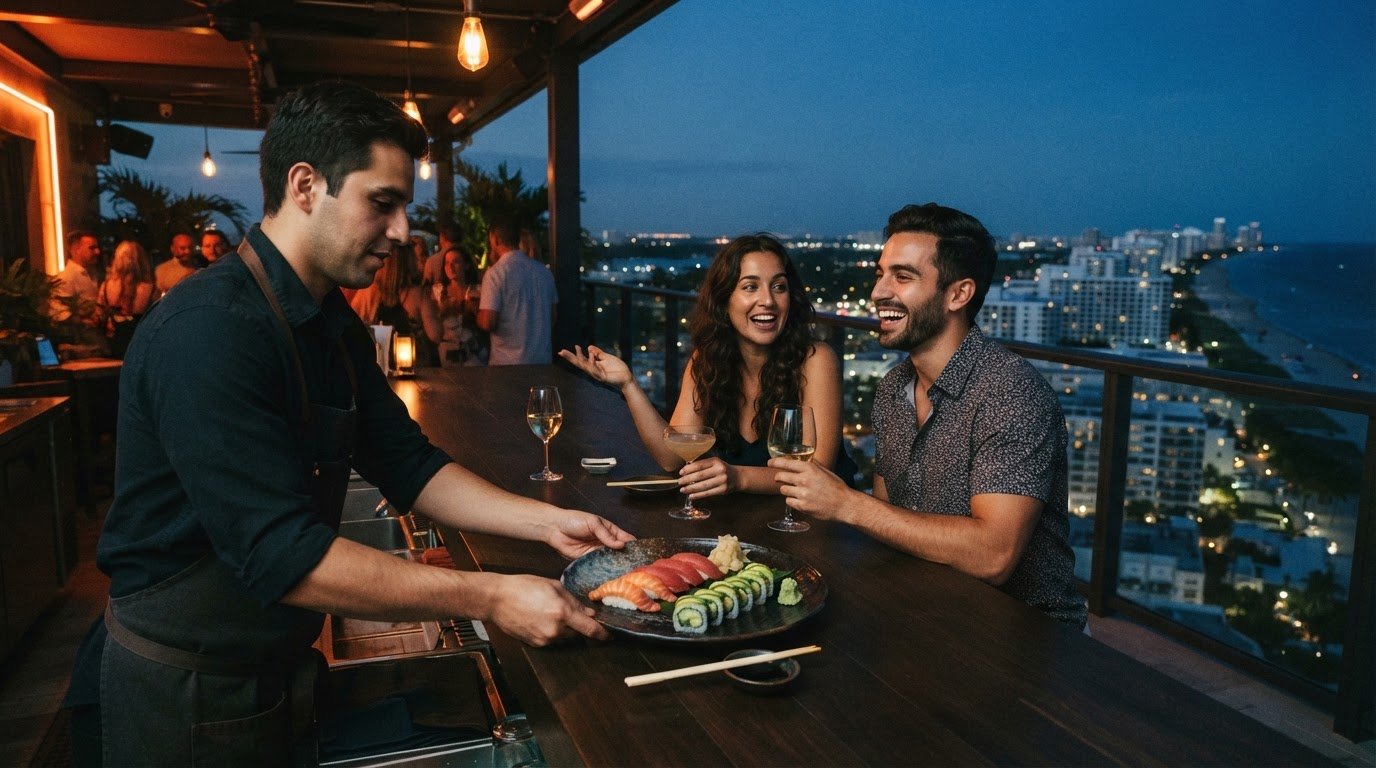
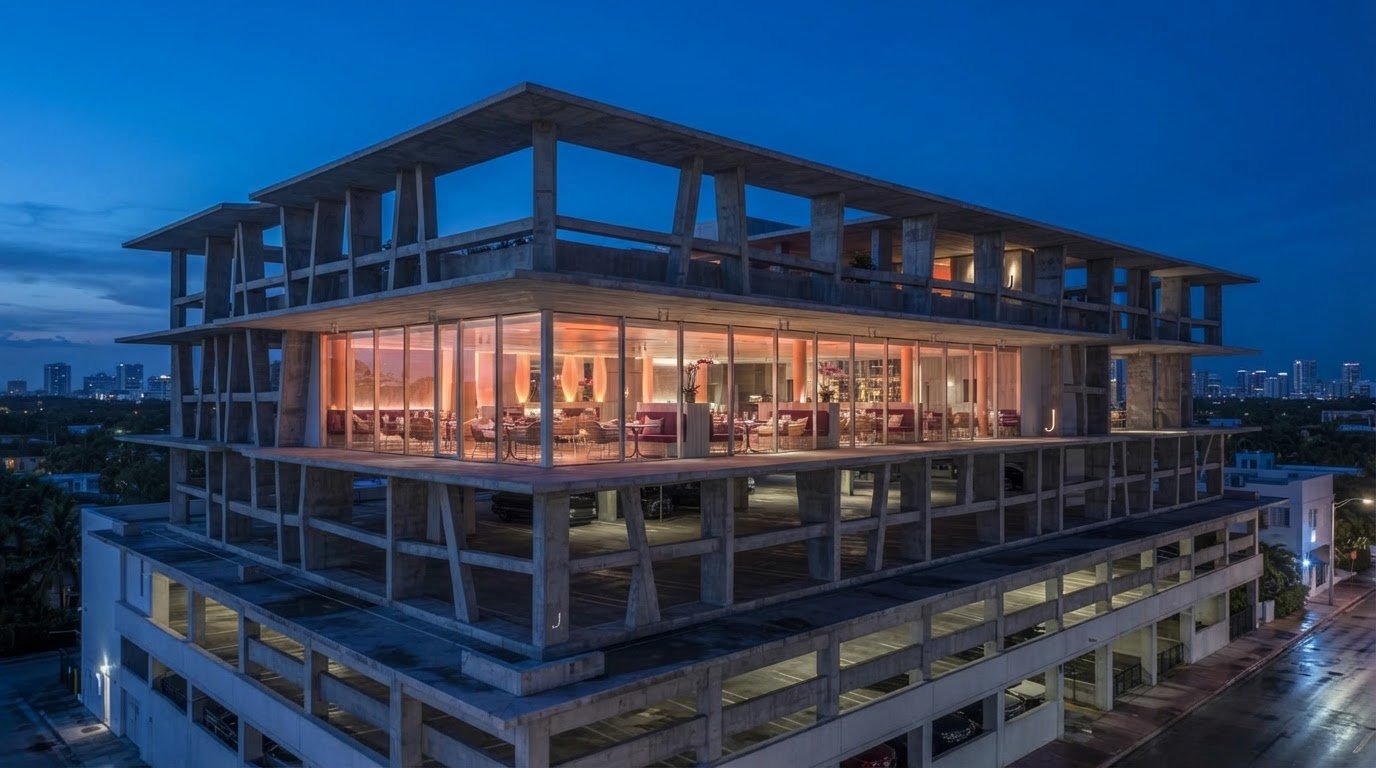
G7 Rooftop offers a distinctive next step for guests seeking kosher dining with Japanese-fusion flavors and a rooftop setting. Its menu features kosher sushi and Asian-inspired dishes, bringing a different character to dinner plans while keeping the focus on kosher cuisine. The elevated atmosphere also suits an evening when the setting matters as much as the meal, whether you’re planning a relaxed dinner or a more vibrant night out. As a rooftop restaurant serving the greater Miami area, G7 Rooftop gives diners a South Florida option that pairs cuisine with sweeping rooftop ambiance. If this combination fits your plans, contact G7 Rooftop to discuss your dinner.
Shape your next South Florida evening
Let the next dinner plan reflect the kind of evening you want to share, from a relaxed meal to a livelier rooftop atmosphere. If you’re ready to migrate dinner plans from Asiatiko Miami, think beyond replacing one reservation with another. Choose a setting that can become part of the occasion, giving your guests room to enjoy the food, the company, and the city around them.
G7 Rooftop offers a Miami rooftop restaurant and rooftop bar experience, adding an elevated setting to dinner plans. Its place among Miami rooftop restaurants makes it a natural choice for diners looking to carry the evening into a more social atmosphere. Let your preferred mood guide the plan, then take the next step at your pace.
Contact G7 Rooftop to plan dinner and start shaping an evening that feels distinctly yours.
Frequently Asked Questions
How can I move a dinner reservation from Asiatiko Miami to another Miami restaurant?
Arrange the replacement reservation separately, then contact Asiatiko Miami to cancel or amend your original booking. Choose the new restaurant based on your party’s preferred cuisine, kosher requirements, location, and timing. For example, if kosher dining is essential, make that the first consideration before selecting the atmosphere. Once the new reservation is arranged, share the updated plan with your guests so they know where and when to meet.